





While the S40, V50, S60 and V70 come standard with front-wheel drive, and the flagship S80 used to feature front-wheel drive on its
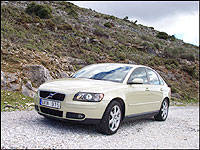 |
| The all-wheel drive system Volvo uses is developed by Sweden's Haldex, and is one of the most tactile in the auto industry. (Photo: Trevor Hofmann, Canadian Auto Press) |
The all-wheel drive system Volvo uses, which is developed by Sweden's Haldex, is already one of the most tactile in the auto industry, besting many rivals for grip whether used in one of Volvo's vehicles or one of the models that the Swedish automaker's parent company Ford offers - Haldex all-wheel drive is also available in Ford's Freestyle crossover, as well as the blue oval brand's Five Hundred sedan and its Mercury Montego clone.
So what makes the new improved Haldex AWD better? It now incorporates a non-return valve within the hydraulic control system so that its hydraulic fluid doesn't completely drain out of the system when pressure would normally abate, the result of slowing the vehicle. How does the upgrade make a difference? The outgoing Haldex system allows a one-seventh tire rotation before redistributing power to the rear wheels, but with the new system the
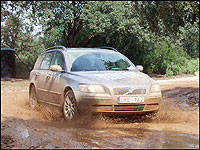 |
| With the new Haldex system the rear wheels are now called into service much sooner, and reduced wheel spin means greater control and less chance of getting stuck in the muck. (Photo: Trevor Hofmann, Canadian Auto Press) |
While all-wheel drive offers obvious benefits for traction, it has also helped Volvo gain respect in a luxury car market that reveres everything but front-wheel drive. The new and improved Haldex all-wheel drive system should enhance performance on bare highway surfaces as well as while en route to the ski lodge during mid-winter, further improving the automakers image as a practical alternative to those brands selling cumbersome truck-based SUVs. The 2006 models are available now.