





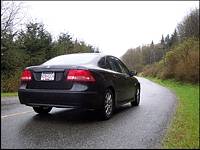
An area where the Saab does beat the Nissan, and any other V6 equipped car for that matter, is in fuel economy. The Saab's DOHC, 16-valve 2.0-L achieves a respectable 10.7 L/100 km city and 7.1 L/100 km highway rating in automatic guise, compared to the Infiniti's 12.6 / 8.4 city/highway numbers. A year ago or so this might not have been a critical issue in the premium segment of the market, but with today's high fuel prices it is becoming increasingly important to consumers.
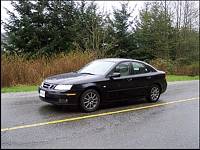
Yet, as important as economics are if potential customers don't like a car's styling the relationship is over before it gets started. Saab seems to have hit this nail right on the head, endowing its 9-3 with a slightly more conventional 3-box configuration, rather than the old model's rear hatchback design, to pull in converts while simultaneously not alienating its loyal buyers, who should endear themselves to its sleek, mostly traditional shape. The 9-3 doesn't rely on fancy body cladding, or any other styling gimmicks, but just offers a clean, honest and attractive overall design.
Does it have the presence of a BMW 320i, Mercedes-Benz C230, Audi A4 or even Volvo S60? Probably not, but that isn't something Saab buyer's are necessarily looking for. But to lure in the uninitiated the 9-3 might still blend a little too much into the scenery to get noticed.