





And, Scion has had urban (graffiti) artists make over some of the cars--actually the artists are painting on a special wrap that's been placed on the vehicles. After the artist is done, the wrap is removed so the painting can be preserved for future displays.
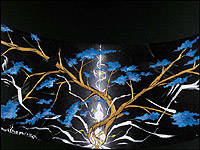 |
| Scion has had urban (graffiti) artists make over some of the cars--actually the artists are painting on a special wrap that's been placed on the vehicles. (Photo: Toyota) |
Scion is using Internet to improve the sales experience, counting on the fact that its buyers use the Web to research cars in advance and even pick out optional equipment for their car (configuring it) before stepping into the showroom. This strategy, however, is not necessarily unique. Ford, GM and others have tried using the Internet to varying degrees of success or failure. Scion has created a chat room on its web site (Scion.com), where registered members can email messages live to Toyota engineers and designers, Farley said. The only drawback is that most auto people aren't living a 24/7 lifestyle where they're online at any and all times.
Toyota has also launched a Scion lifestyle periodical that's been aptly called Scion Magazine. The summer/fall 2003 issue features short interviews with musicians, such as with Adam Lee Miller and Nicola Kuperus of Detroit who drive a 1991 Ford Tempo; a story on the underground urban artists who were involved in the Scion artist project; an interview with L.J. Garcia, 29, of Ichibahn Motorsports that does import "tuning;" plus articles giving car buying advice and a sales brochure featuring the aftermarket equipment available for the xA and xB.
Again, such specialty periodicals aren't anything new in automotive marketing. GM, for example, has a specialized magazine for Corvette buyers; Ford has something for the owners of the Mustang or for its Specialty Vehicle Team products. Such a magazine is new, however, for the lower end of the market.