





 |
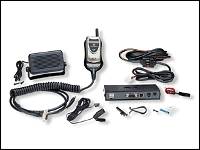
| An installed cellphone car kit is a form of automotive telematics. (Photo: Motorola) |
While telematics offerings appears to have floundered from the OEM side, consumers see that it has come a long way in the past 10 years and the technology is poised to become a $20 million market by 2006, Ballmer said. OEM, or "original equipment manufacturer," is another way companies refer to the automotive manufacturers in "auto speak."
"We haven't seen the right form (of telematics) yet. But most people have useable cell phone access from their cars and that can be considered as a form of telematics," Ballmer said.
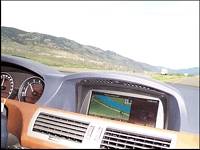 |
| BMW's iDrive stretches most driver's technical abilities to new levels. A Windows based system might be easier for the majority of users to navigate, at least initially. (Photo: Jennifer Hofmann, Canadian Auto Press) |
Some fundamentals still need to be worked out, such as cars becoming base stations for different electronics devices. Yet, within the next 5-6 years, Ballmer said that he foresees 100 percent of all new cars will be telematics capable (that would mean about 16-17 million new cars hitting the roads annually with this technology, if one goes by current sales figures).
Consumers are very interested in receiving information, entertainment, emergency services, having remote diagnostics performed on their vehicles, and receiving navigation and mapping information, to wireless automatic bill payments at drive-in restaurant windows or on toll roads, he said. They want "sync and go" capability where they can take and transfer digital photos or MP3 music files from home, to the car, to the office without having to worry if the car's computer is "in sync" with their PDAs.