





With its smaller lineup of core models, dealer reduction strategy, more fiscally responsible credit controls, and new plan to
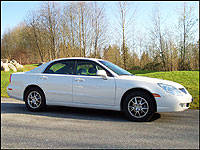 |
| By cutting the number of cars in the lineup, such as the poor selling flagship Diamante sedan (shown), and tightening spending, Mitsubishi plans to work its way back to profitability. (Photo: Shawn Pisio, Canadian Auto Press) |
"We more or less have reached the bottom," O'Neill told Detroit News. "And if that's where the bottom is, let's get the costs adjusted so when we have new product we can be profitable."
Due to much slower sales this year, with targets of just over 200,000 for the fiscal year of 2004/2005 compared to 350,000 in 2002/2003, MMNA has announced it will be reducing payroll to the tune of 1,200 jobs at its Normal, Illinois assembly plant, plus cutting corporate jobs. Mitsubishi's market share sits at about 1 percent in the U.S., having seen a 30 percent drop this year alone, therefore much is needed to get the momentum moving upward.
The changing of the guard has initiated a Hyundai-style 10-year, 100,000-mile powertrain warranty strategy in the U.S., which
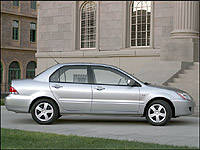 |
| MMNA has killed its overly generous financing packages and stopped dumping poor selling vehicles into rental fleets. (Photo: Mitsubishi Motors North America) |
Poor resale value and less than ideal quality and reliability scores by independent surveys such as the J. D. Powers and Associates Initial Quality Study (IQS) and Vehicle Dependability Study (VDS), have made changing buyers' perceptions difficult. If such perceptions can change, including a renewed faith that Mitsubishi is on solid financial ground so that buyers can feel safe to invest in the brand's new vehicles, the showrooms will start to fill up with new customers and the resulting traffic will spur on sales.