





The BMW group, which includes the brand by the same name as well as MINI and Rolls-Royce, although R-R PP100 are not included in the 2004 IQS, is the top European brand in 4th place. But that won't be seen as an improvement for BMW despite its 116 PP100 rating, 8 better than last year's 124 PP100, due to the fact the luxury brand was stripped of its 3rd place 2003 ranking by Hyundai.
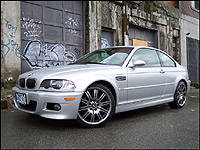 |
| Even though BMW placed high at 4th place, it must sting to have lost their 3rd place ranking from 2003 ranking to Hyundai. (Photo: Shawn Pisio, Canadian Auto Press) |
Of course, BMW shouldn't feel as badly as Porsche, which nosedived from a 2nd place finish in the 2003 IQS to last place in the 2004 survey with 159 PP100. What happened? As explained in yesterday's news story, Porsche's alignment with 10th place Volkswagen, also well below the industry average, to develop its new Cayenne sport utility vehicle. While the Cayenne is easily one of the best SUVs on the market, it's plagued with the same quality glitches that are causing mayhem at Volkswagen. Porsche's sports cars, however, are among the most reliable in the business, hence the 2nd place 2003 score. As it seems, Porsche is guilty by association.
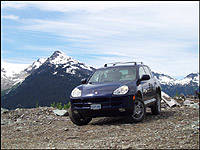 |
| Porsche nosedived from a 2nd place finish in the 2003 IQS to last place in the 2004 survey. (Photo: Shawn Pisio, Canadian Auto Press) |
General Motors, at just below the industry average of 119 problems per 100 vehicles, manages 5th place just like it did last year, and with that top billing for the domestics. Its 120 PP100 ranking in the 2004 IQS, however, showed a marked improvement over the 2003 tally of 134 PP100.
DaimlerChrysler has improved its game substantially, up to 6th place with 123 PP100 from only 8th with 139 PP100 in 2003. The automaker includes the Chrysler Group, made up of the Chrysler nameplate, as well as the Dodge and Jeep brands, plus Mercedes-Benz, which shows the greatest improvement in ranking among the DCX divisions.