





Kurt Sanger, auto analyst at ING, is one of the naysayers, commenting, "The question that needs to be asked now is that if DaimlerChrysler thought they needed 700 to 800 billion yen just a month ago and this plan calls for 450 billion, then where's the difference in opinion?"
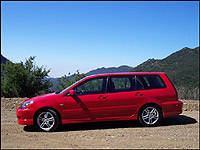 |
| Despite all the cuts, some analysts are not sure that the USD$4 billion investment is enough. (Photo: Trevor Hofmann, Canadian Auto Press) |
As expected the majority of the investment capital is coming from MMC's main Mitsubishi Group shareholders, including Mitsubishi Heavy Industries, Mitsubishi Corp. and the Bank of Tokyo-Mitsubishi (BTM). The group will collectively purchase 140 billion yen in preferred shares. Outside of the Mitsubishi Group, 100 billion yen worth of non-voting preferred shares will be picked up by J.P. Morgan Chase, while Tokyo's Phoenix Capital is said to be opting in for 70 billion yen in common stock for 100 yen per share - a sharp contrast to the 405 yen per share DaimlerChrysler paid for its 37.3 percent stake in MMC. Last but not least, BTM and Mitsubishi Trust & Banking Corp., both members of the Mitsubishi Tokyo Financial Group, will trade 130 billion yen of debt owed by MMC into equity. The total number of new shares issued is approximately 700 million.
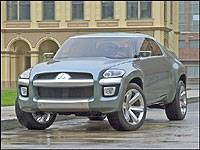 |
| Mitsubishi and DaimlerChrysler plan to continue there new vehicle architecture and component sharing strategy. (Photo: Mitsubishi Motors North America) |
While it must obviously burn DCX to see its investment in MMC devalued by 305 yen per share, to make matters worse its 37.3 percent stake holding will be reduced to somewhere between 22 and 23 percent if Phoenix invests 100 billion yen and in-turn, 40 percent of MMC to become its top shareholder.
Just the same, MMC and DCX plan to continue there new vehicle architecture and component sharing strategy with ongoing projects to continue as planned, because it's "mutually beneficial" the Japanese company stated. About 320 billion yen will be used to revitalize the company's operations, including the development of new products, with 130 billion yen of the funds to cut debt.