





When a reporter asked Toyoda if the new telematics system would become a standard feature across the automaker's lineup of vehicles,
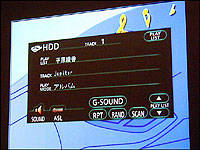 |
| Akio Toyoda would like to see the G-Book Alpha system sell better than the automaker's first telematics system. (Photo: Toyota Canada) |
At the very least Toyoda would like to see the G-Book Alpha system do better than the automaker's first telematics system, which has only managed to find 80,000 subscribers since it became available in October of 2002. Considering Toyota sold 1.76 million new vehicles in Japan last year alone, this is a small number.
While Toyota might sell more cars than Japan's number two automaker Nissan Motor Co. or third-ranked Honda Motor Co., its rivals sell more telematics systems. Nissan has pulled in over 100,000 Carwings users while Honda has more than doubled this with 216,000 InterNavi subscribers.
While the Nissan and Honda services are cost their respective subscribers nothing, Toyota charges an annual fee of 12,000
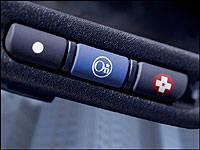 |
| GM is targeting another million OnStar users by 2006, which would increase the division's yearly subscription revenues from about $400,000,000 to $600,000,000 USD. (Photo: General Motors of Canada) |
GM charges its 2-million plus OnStar user base too, a total of $200 USD per year after the initial year of free service runs out. The automaker is targeting another million users by 2006, which would increase its yearly OnStar revenues from about $400,000,000 to $600,000,000 USD; nothing to sneeze at.
GM has increased the use of OnStar by offering it to competitive brands, reducing its proprietary advantage, which can help to sell new GM vehicles, but increasing its user base which grows OnStar revenues.