





The last Beetle to be made in Europe left the production lines in Germany in 1978, but it wasn't until 1996 that Mexico became the last country to produce the old Beetle, and has been the only one to sell them since.
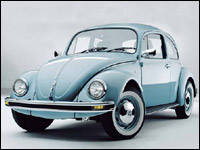 |
| Volkswagen's plant in Mexico is putting the finishing touches on a special farewell retro edition Beetle. (Photo: Volkswagen) |
Just before making the final announcement, the Puebla, Mexico plant was producing about 53 Beetles daily.
"There has never been a car like it, but I don't think production will go on beyond the end of July", stated Christine Kuhlmeyer, head of corporate communications at Volkswagen, Mexico.
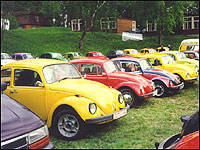 |
| The "people's car" was loved around the world and became a symbol of a rebellious post-war generation in the United States and Europe. (Photo: Volkswagen) |
Originally conceived in Germany during the early 1930s by Adolf Hitler, it was dubbed the "people's car". Volkswagen, or "folks-wagon," literally translates into people's car. But after World War II, it quickly became a symbol of the German economic miracle. And this chubby, curvy little car became not just popular in Europe, but beloved the world over.
It even became a symbol, along with its sibling the Volkswagen Bus (a.k.a. the Volkswagen Beetle Van), of a rebellious post-war generation in the United States and Europe, representing amnesty from the rigid social restrictions of the time. Many of these stories can be found on the pages of a hilarious book titled, "Bug Tales - The 99 Most Hilarious, Outrageous and Touching Tributes Ever Compiled About the Car that Became a Cultural Icon" by Gabriella Jacobs and Paul A. Klebahn.