





Most of the gasoline alternatives are diesel motivated, with only 0.5 percent of U.S. sales in 2004 for vehicles with
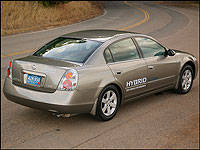 |
| J. D. Powers and Associates expect vehicles powered by diesel and/or hybrid drivetrains to more than double over the next seven years. (Photo: Nissan Canada) |
Diesels are also expected to double in market share by this time, from 3 percent in 2004 to 7.5 percent by 2012.
It makes sense that an increase in the number of hybrid- and diesel-powered vehicles available, which now totals ten models, from a larger group of automakers, which now includes four, will do its part in spurring on sales in the alternative fuels segment. Honda has just increased its HEV lineup to include the Accord, while Nissan will come to market shortly with an Altima hybrid and Subaru is expected to offer hybrid-power in an upcoming Legacy model. Ford will expand its HEV lineup to include the Fusion in coming years, and most rival automakers are talking about stepping up to the hybrid plate. In total, the J. D. Power study predicts that 44 HEVs will be available to consumers by 2012. The number of diesel models being offered at
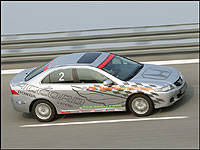 |
| High crude oil prices will be the determining factor in the growth of alternative powertrains and fuels. (Photo: Honda Canada) |
Much of this demand will be the result of gasoline prices, and whether they remain at record highs or possibly go higher still, or for that matter lower in price as the decade continues.
According to Anthony Pratt, senior manager of global powertrain forecasting at J.D. Power-LMC Automotive Forecasting Services, high crude oil prices will be the determining factor in the growth of alternative powertrains and fuels.