





"We don't know if it's the next generation, we asked designers to stretch and say where we would be in ten years' time. I'd be very
happy if this is where we were in ten years."
Callum is no doubt happy with the common ground shared by the Senku and Sassou, pushing the boundaries of a new design language that will be honed by input from Mazda's design studios around the globe; as mentioned, two in Japan, one in Europe and one in California. For the three crown jewel concepts, designers were given scant details but instructed to pursue "new graphic expressions and new proportions," according to Nowihiro Iwao a lead designer with Mazda group, another point addressed by the Autoweek article.
The next few years will determine not only whether the regional design studios
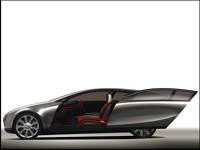
will advance a common global vision or if each is awarded responsibility for the local market and tastes it is immersed in, but also how much of these concepts will make it into production models, like the Senku's sliding door mechanism and rotary hybrid or the Sassou's moldable rear seats.
There is no doubt that Mazda has benefited from Ford's deep resources, and they are returning the favour with excellent chassis architectures, four-cylinder engine development and production, and other technologies, plus a strong Japanese identity (wacky rotary engines and all), something that will benefit Ford in the long run as car manufacturers attempt to continually take more advantage of economies of scale while treading that fine line of catering to regional tastes and meeting market demand for universal appeal.
 |
| "We don't know if it's the next generation, we asked designers to stretch and say where we would be in ten years' time. I'd be very happy if this is where we were in ten years," commented Moray Callum, chief of Mazda design. (Photo: Mazda Canada) |
Callum is no doubt happy with the common ground shared by the Senku and Sassou, pushing the boundaries of a new design language that will be honed by input from Mazda's design studios around the globe; as mentioned, two in Japan, one in Europe and one in California. For the three crown jewel concepts, designers were given scant details but instructed to pursue "new graphic expressions and new proportions," according to Nowihiro Iwao a lead designer with Mazda group, another point addressed by the Autoweek article.
The next few years will determine not only whether the regional design studios
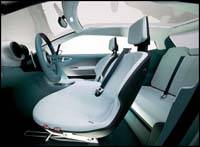 |
| It's unknown which new design concept will make it to production, the Senku's sliding door mechanism and rotary hybrid or the Sassou's moldable rear seats? (Photo: Mazda Canada) |
There is no doubt that Mazda has benefited from Ford's deep resources, and they are returning the favour with excellent chassis architectures, four-cylinder engine development and production, and other technologies, plus a strong Japanese identity (wacky rotary engines and all), something that will benefit Ford in the long run as car manufacturers attempt to continually take more advantage of economies of scale while treading that fine line of catering to regional tastes and meeting market demand for universal appeal.