





Toyota, which wants to raise its global share to 15 percent early next decade from a current 10 percent, partially by offering customers more hybrid models, was the first automaker to release cars with gasoline-electric powertrains for commercial sale, starting with the Prius in 1997.
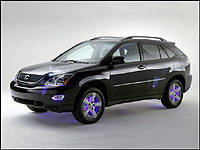 |
| The class of vehicle that has drawn the most criticism from environmentalists will soon see its own hybrid addition in the form of the Lexus Hybrid RX. (Photo: Toyota) |
Japanese drivers have three hybrid models to choose from and can expect to see double that in the next two to three years. North American drivers will soon see the release of a hybrid sport utility, the very vehicle class that's drawn criticism from environmentalists for wasting energy, giving Toyota the promotional edge over its rivals.
 |
| Many companies are either working with or using Toyota's technology, including Nissan, Renault, Reugeot and General Motors. (Photo: PSA Peugeot Citroen) |
Toyota probably needs to sell at least 300,000 units a year to make its hybrid project profitable, according to Koji Endo, an analyst at Credit Suisse First Boston Japan Inc. Hopefully rumors regarding sales of the upcoming hybrid Lexus RX sport utility vehicle restricted to the United States, which would omit the Canadian market, aren't true, so that the company's "promotional edge" is no counterproductive north of the border.
Cho, who acknowledges the cost of making cars greener can be prohibitive, said the company "will be offering" the technology as long it makes business sense.