





The design of the C30 was inspired by two of Volvo's concept cars, the Safety Car Concept (SCC) which debuted in Detroit
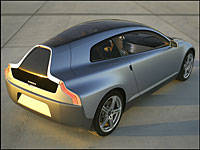 |
| Essentially, designers have taken the best parts of each concept car, and fused them together. (Photo: Volvo Canada) |
What will set the Volvo apart from other compact executive hatchbacks are the details in the car's design. For starters, the C30 is a two-door hatchback, not a three-door, as the hatch is composed of a frameless, glazed plate of glass. Another neat detail is that during braking, the high-mounted LED tail lamps illuminate to surround the outline of the hatchback.
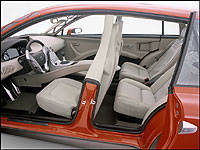 |
| Volvo's reputation was mainly built on its innovations in safety, but don't expect to see the far-fetched equipment of the SCC. (Photo: Volvo Canada) |
Another area where Volvo hopes to attract customers is through its advanced safety features. Volvo's reputation was mainly built on its innovations in safety, but don't expect to see the far-fetched equipment of the SCC, like the gimmicky heartbeat monitor. Road-adapting headlamps, blind spot warning system and active radar cruise control, on the other hand, could very well be on the options list. The C30 should be rated amongst the best in class in passive safety due to its super-rigid structure, and extensive use of super-high-tensile steels.