





On that note, used Tacoma shoppers unfamiliar with pickup truck customization are advised to avoid models with extensive engine or suspension modifications. Common upgrades will include lift kits, locking differentials, intake systems, exhaust systems and wheel/tire combinations. If you’re considering a used model with any of the above, be absolutely sure to have the quality of the parts and installation verified by a trained mechanic.
On a test-drive, ensure the Tacoma’s brakes operate as expected, and that they aren’t worn down. The 4x4 system should be checked for proper engagement of its various modes, too.
Be sure to listen to the suspension for any signs of heavy metallic clunking, grinding or popping sounds from beneath the truck. These could indicate worn bushings, ball joints or shock absorbers. All of these parts can be easily checked by a mechanic if you’re unsure.
Looking at a higher-mileage unit? This writer recommends opting for one with a manual transmission where possible. Reasoning is that changing a clutch is typically far less expensive than changing an automatic transmission. Ensure the clutch on the model you’re considering isn’t slipping or worn out, and ask a friend familiar with driving a manual transmission for help if you’re unsure.
Standard used pickup truck shopping guidelines apply to the Tacoma. Check the underbody extensively for any signs of denting, scraping, punctures, leaks or holes. If the vehicle’s former owner bashed the heck out of the Tacoma’s underside during careless off-roading, now’s the time to find out.
Grass, dirt and turf hanging out of the suspension or frame are other warning signs. Off-roading won’t hurt a truck like the Tacoma-- if it’s done carefully and the underside of the truck is thoroughly cleaned of debris afterwards.
While underneath, look for any oily fluid leaking from the bottom of the engine, the differential and the transfer case, if so equipped. Also, look for signs of oil splatter visible from the inside of the rear wheels. This could indicate leaky axle seals which may adversely affect the vehicle’s ability to brake.
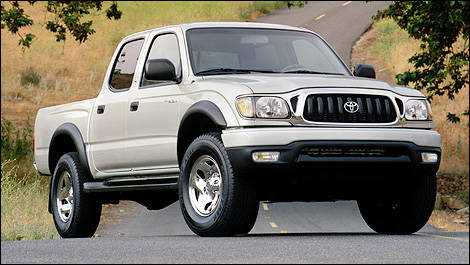 |
| 2001 Toyota Tacoma (Photo: Toyota) |
On a test-drive, ensure the Tacoma’s brakes operate as expected, and that they aren’t worn down. The 4x4 system should be checked for proper engagement of its various modes, too.
Be sure to listen to the suspension for any signs of heavy metallic clunking, grinding or popping sounds from beneath the truck. These could indicate worn bushings, ball joints or shock absorbers. All of these parts can be easily checked by a mechanic if you’re unsure.
Looking at a higher-mileage unit? This writer recommends opting for one with a manual transmission where possible. Reasoning is that changing a clutch is typically far less expensive than changing an automatic transmission. Ensure the clutch on the model you’re considering isn’t slipping or worn out, and ask a friend familiar with driving a manual transmission for help if you’re unsure.
Standard used pickup truck shopping guidelines apply to the Tacoma. Check the underbody extensively for any signs of denting, scraping, punctures, leaks or holes. If the vehicle’s former owner bashed the heck out of the Tacoma’s underside during careless off-roading, now’s the time to find out.
Grass, dirt and turf hanging out of the suspension or frame are other warning signs. Off-roading won’t hurt a truck like the Tacoma-- if it’s done carefully and the underside of the truck is thoroughly cleaned of debris afterwards.
While underneath, look for any oily fluid leaking from the bottom of the engine, the differential and the transfer case, if so equipped. Also, look for signs of oil splatter visible from the inside of the rear wheels. This could indicate leaky axle seals which may adversely affect the vehicle’s ability to brake.
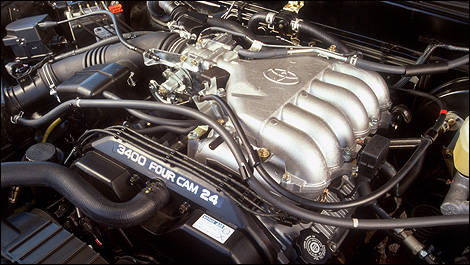 |
| 2004 Toyota Tacoma (Photo: Toyota) |