





After all, with MVAs remaining the leading cause of death for Americans between the ages of 5 and 35, according to the study,
the result of 5.9 million accidents, 43,200 deaths and 2.7 million injuries, plus a U.S. national accident cost of $231 billion in 2005, the public and insurance companies are pushing for continual improvement.
On a side note, the death rate per driven mile is more than 35 times higher for motorcyclists than for the driver's of four-wheel (or higher) vehicles. Even higher is the per-mile death rate for pedal-powered bicyclists. According to government statistics, "two-thirds of bicycle fatalities occur due to traffic violations and 90 percent involve collisions with motor vehicles."
According
to the Virginia Tech study, approximately 7.5 percent of monitored drivers were involved in multiple accidents during the 13-month test period, while young drivers were four times more likely to be involved in an MVA - food for thought for the next time your teenager argues about how unfair age-based insurance rates are.
Important to note, not every accidents that involved a rear-end collision were due to inattention, with about 22 percent caused by drowsiness. Researchers blamed sleep deprivation for the cause of many daytime MVAs, where drowsiness was involved. Oddly, the rates for daytime drowsiness
are higher than for nighttime, with the study stating, "The risks of driving drowsy during the day may be slightly higher than at night due to traffic density."
As far as single-vehicle accidents go, aggressive driving was a major factor, about the same as drowsiness, but in the end the leading cause of MVAs is inattention, at about 65 percent, incidentally occurring about three seconds before the crash.
In coming years, it will be interesting to see how new technologies play an even greater role in driver safety. While it will be difficult to stop inattentive drivers
from practicing unsafe driving habits, a number of impressive safety advancements can really make the difference, such as sensors that warn of side-by-side traffic when attempting to change lanes, radar systems that warn of rearward traffic approaching at high speed, etc. The problem is, just like when ABS, ESC, and other lifesaving technologies first arrived on cars, only high-end vehicles get the latest goodies. Therefore, spending more, if possible, will result in a greater chance in avoiding or surviving an accident. In time the more popular safety features will trickle down to less expensive models, and all drivers and passengers will benefit, but until then government and safety organization awareness campaigns are the best way to get the word out.
You, the informed driver, might want to think twice, however, before you attempt to shoo that mosquito out of your car window or reach into the back seat to retrieve your laptop bag while driving down the highway, as you now know it's a method for disaster.
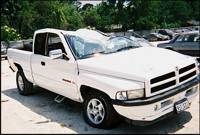 |
| MVAs remain the leading cause of death for Americans between the agesof 5 and 35, resulting in 5.9 million accidents, 43,200 deaths and 2.7million injuries. (Photo: About.com) |
On a side note, the death rate per driven mile is more than 35 times higher for motorcyclists than for the driver's of four-wheel (or higher) vehicles. Even higher is the per-mile death rate for pedal-powered bicyclists. According to government statistics, "two-thirds of bicycle fatalities occur due to traffic violations and 90 percent involve collisions with motor vehicles."
According
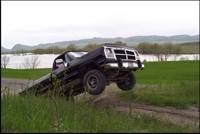 |
| Many accidents were the result of stupid decisions. (Photo: About.com) |
Important to note, not every accidents that involved a rear-end collision were due to inattention, with about 22 percent caused by drowsiness. Researchers blamed sleep deprivation for the cause of many daytime MVAs, where drowsiness was involved. Oddly, the rates for daytime drowsiness
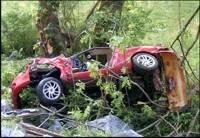 |
| Speed at the hands of inexperienced, young drivers also caused many accidents. (Photo: About.com) |
As far as single-vehicle accidents go, aggressive driving was a major factor, about the same as drowsiness, but in the end the leading cause of MVAs is inattention, at about 65 percent, incidentally occurring about three seconds before the crash.
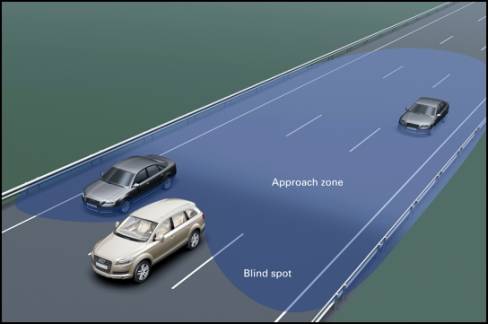
In coming years, it will be interesting to see how new technologies play an even greater role in driver safety. While it will be difficult to stop inattentive drivers
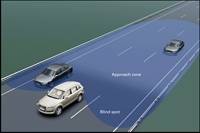 |
| In coming years, it will be interesting to see how new technologies, such as Audi's Side Assist system, which uses radar to detect vehicles adjacent and behind the new Q7, play an even greater role in driver safety. (Photo: Audi Canada) |
You, the informed driver, might want to think twice, however, before you attempt to shoo that mosquito out of your car window or reach into the back seat to retrieve your laptop bag while driving down the highway, as you now know it's a method for disaster.
Article Gallery