





Biodiesel is an Unorthodox but Relevant Alternative Fuel
Did you know that fuel could come from an organic source as well as petroleum? While I knew about the benefits and the drawbacks regarding diesel, "biodiesel" was initially an unfamiliar topic. After a little research it's starting to win me over. Before I state why here's a little background info.
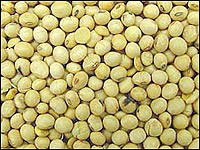 |
| The term "biodiesel" refers to low-emission fuel gleaned from restaurant grease and/or the oil of crops such as soybeans. (Photo: AGR.gc.ca) |
The term biodiesel, first introduced in 1992, describes a low-emission fuel gleaned from restaurant grease and/or the oil of crops such as soybeans. It is produced by blending lye, an alcohol such as ethanol, and an oil.
 |
| While it's currently the fastest-growing alternative fuel in the USA, biodiesel has been around for nearly 100 years.(Photo: USDA Agricultural Research Service) |
While the fastest-growing alternative fuel in the United States, according to the National Biodiesel Board, it's not particularly new. Europeans have been using it for over 15 years in their fleet, farm and regular vehicles. In fact, when the diesel engine was first invented in the early 1900's it was intended to be powered by biofuel, peanut oil.
Why all the excitement over recycled restaurant grease? It isn't at the pumps anywhere in Canada, but the drive towards Canadian accessibility has many revved up in anticipation, primarily because of its interesting advantages when compared to petroleum diesel and other alternative fuels.