





On the positive, those that have purchased Lexus vehicles give the brand high owner satisfaction marks. While a solid footing to
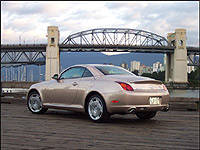 |
| European luxury brands will enjoy a few more years of unrivaled success before Lexus gives them a real run for their money. (Photo: Shawn Pisio, Canadian Auto Press) |
That said, news of new diesel and hybrid models, and even more threatening, new diesel-hybrid powertrains, could mean the Europeans will face difficulty in future years. Barring any major advancement making Europe's hydrogen highway a reality, and nothing substantive is expected for decades, Toyota's leadership in hybrid powertrains could seriously challenge the likes of BMW and Mercedes-Benz, which have relied on sophisticated, direct-injection common-rail turbodiesel technology to remain the luxury leaders. Combining
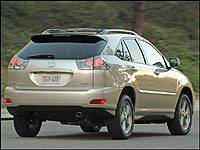 |
| Toyota's leadership in hybrid powertrains could seriously challenge the likes of BMW and Mercedes-Benz. (Photo: Lexus) |
For these reasons Toyota sees Europe as a growth opportunity for its Lexus division, rather than a thorn in its side. And if it does well there, its home market in Japan, just being introduced to the Lexus brand, should follow suit. Japan has had a love affair with German brands for decades, and therefore success for Lexus is not necessarily a given. Still, the automaker is targeting as many as 60,000 Lexus models sold in Japan by 2006 through 180 dealerships. Toyota is also planning to open Lexus dealerships in China in 2005.