


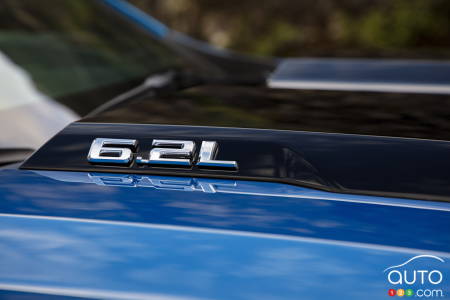



General Motors is facing renewed scrutiny from U.S. federal regulators as troubles surrounding its 6.2L L87 V8 engine continue to mount. The National Highway Traffic Safety Administration (NHTSA) opened an Engineering Analysis last week, on August 20, 2026. That step means the agency is expanding its investigation into nearly one million vehicles after hundreds of reports surfaced alleging post-recall engine failures.
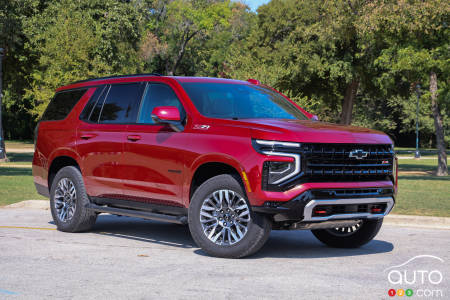
The probe affects an estimated 997,743 units across the 2021–2026 model years, encompassing high-margin full-size trucks and SUVs including:
- - Cadillac Escalade & Escalade ESV
- - Chevrolet Silverado 1500
- - Chevrolet Suburban
- - Chevrolet Tahoe
- - GMC Sierra 1500
- - GMC Yukon & Yukon XL
The investigation comes in the wake of a recall in early 2025 for roughly 600,000 vehicles in the U.S., which targeted manufacturing flaws linked to the L87’s connecting rods and crankshafts. To resolve the issue, GM offered two solutions: a complete engine swap for damaged units or a service remedy for inspected engines that involved replacing the oil filter and oil cap, and switching from 0W-20 to a higher-viscosity 0W-40 oil.
However, data compiled by NHTSA’s Office of Defects Investigation (ODI) indicates the fixes may not be working. Regulators have logged 499 complaints of engine failure in vehicles that had already undergone recall repairs. Of those cases, 473 engines had received the revised oil remedy, while 26 failed despite receiving full replacement engines.
The agency also recorded 191 reports of L87 failures in vehicles manufactured after the May 31, 2024 cutoff date of the original recall, bringing the total number of new failure reports to 690.
The problem
Independent analyses suggest the root cause may involve microscopic ridges on the L87’s crankshaft that induce severe oil pressure fluctuations, causing repeated impacts on connecting rod bearings. While GM has previously attributed the defects to supplier quality shortcomings, overall data submitted to regulators shows thousands of field complaints detailing engine seizures and sudden loss of motive power.
With the L87 set to be replaced by GM's upcoming sixth-generation small-block V8 platform, the automaker is expected to bring several key engine manufacturing processes back in-house to restore reliability and consumer trust.