The German automaker was one of the most prolific purchasers of brands in the late '80s and early '90s, when any car company
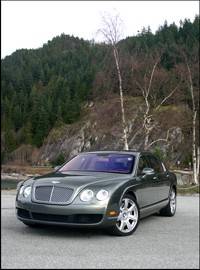 |
| VW AG has purchased a bevy of top-tier brands, such as Bentley, and by optimizing common architectures and components, made them profitable. (Photo: Trevor Hofmann, Canadian Auto Press) |
worth its salt was snapping up anything and everything with a modicum of brand equity. GM bought Saab, the rights to Hummer and created Saturn, all around the same time it picked up Lotus and then unloaded it on Malaysian economy carmaker Proton. Chrysler Group, in the pre-Daimler days, nabbed Lamborghini and Maserati, not to mention much of Mitsubishi, letting the two luxury brands go when money was needed for internal investment. BMW purchased Rover Group, and its multiple nameplates, before selling one of its best, Land Rover, to Ford Motor Company, which was on the most aggressive brand procurement campaign of them all, next to Volkswagen, having previously picked up Aston Martin, Jaguar, and Volvo, plus a substantial portion of Mazda. There's more to this story than there is paper to write it on, but suffice to say that few automakers had what now seems to be the foresight to abstain from jumping on the brand auction bandwagon, and now with hindsight at hand, not many have made money in the exercise. Interestingly, Toyota, the most
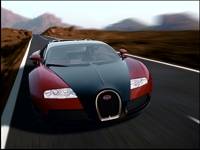 |
Ever heard of Bugatti? Volkswagen has revived the French brand from the dead, and its new Veyron is on the way this fall. (Photo: Bugatti)
|
profitable carmaker of all, was then criticized for not buying into the trend.
Volkswagen, mind you, has done well with some of its ultra-premium brands. Luxury vehicles are enjoying tremendous popularity as of late, despite high fuel prices, and VW's top-line brands are benefiting. If you're not up on the details, the German automaker is only one brand shy from owning as many individual nameplates as General Motors, and together with its affiliated Audi brand group, has collected as many luxury marques as Ford. Specifically, the Volkswagen brand group oversees Volkswagen, or VW branded cars (German), Skoda (Czech), Bentley (British) and Bugatti (French) nameplates
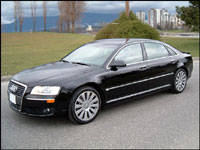 |
| Audi is a leader in style and interior design... no wonder sales are strong. (Photo: Rob Rothwell, Canadian Auto Press) |
and the Audi brand group comprises the Audi (German), SEAT (Spanish) and Lamborghini (Italian) marques. Confusing things further, Porsche, yes the little rear-engine "niche" sports car manufacturer started by the very man who gave Volkwagen its world-dominating Beetle, just purchased close to 20 percent of VW AG, so, in a reverse-strategy sort of way, Stuttgart's cars are also part of the family - or at least second cousins once removed.
If you think Volkswagen Group's near pan-European
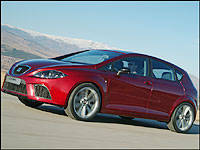 |
Brands like SEAT (shown) and Skoda won't be coming to North America, but are competitive in the markets they do business in. (Photo: SEAT)
|
ownership is impressive, take into consideration that it operates 44 production plants in 11 European countries and an additional 7 countries in the Americas, Asia and Africa. Globally, nearly 345,000 employees produce over 21,500 vehicles, or are involved in vehicle-related services, each working day. Lastly, the Volkswagen Group sells its vehicles in more than 150 countries, most models of which are not available in Canada.
Whether or not such information makes VW AG stock ripe for the taking, is up to the market to decide. According to top analysts, however, it's not quite where it should be.