





By 1933, however, the Great Depression had taken root and to prevent liquidation Willys was forced to shut down its highly touted Willys-Knight line after 19 years of production. Bruised and battered from the state of the economy, the company emerged from bankruptcy in 1936, but without the stewardship of John Willys, who had died of a heart attack the previous year.
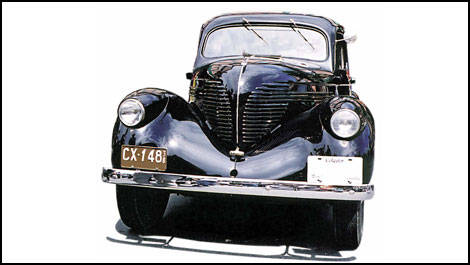
Now under the chairmanship (and largest shareholder) Ward Canaday, the newly reformed Willys-Overland Motors Inc. struggled on, updating both the looks and mechanical components of Willys-badged cars, but retaining the same basic four-cylinder engine design created for the Whippet.
As it turned out, the Second World War kept Willys-Overland afloat. The company was the successful bidder to produce the military-specified Jeep, a design originally created by the smaller American Bantam Car Company. The four-wheel drive jack-of-all-trades Jeep was the salvation for Willys. By 1945, the company had made 360,000 (out of a total production of 647,000) of these tough little beasts of burden, all featuring a modified version of the original Whippet engine.
After the war, Willys continued to produce a variety of civilian-grade Jeeps, including the Jeep Station Wagon and attractive Jeepster convertible.
After seven years of making nothing but four-wheel drive vehicles, Willys returned to making passenger cars in 1952 with the launch of the six-cylinder Aero-Willys lineup of coupes, sedans and hardtops. These compact cars proved to be both durable and economical, but were priced higher than their Ford, Chevy and Plymouth competitors and sales suffered as a result.
In 1953, Canaday sold the Willys operation to industrialist (and automaker) Henry J. Kaiser, who kept the brand alive until 1955 when he closed down his North American passenger-car operations (but maintained Jeep production in the United States) and relocated to Brazil. From 1960 until its eventual demise in 1972, The Aero-Willys continued as one of the cornerstones of the Brazilian automobile industry.
In good times and bad, and through depressions, wars, and peace, the Willys company had soldiered on, leaving its mark with some of the most memorable vehicles to ever turn a wheel.
 |
Now under the chairmanship (and largest shareholder) Ward Canaday, the newly reformed Willys-Overland Motors Inc. struggled on, updating both the looks and mechanical components of Willys-badged cars, but retaining the same basic four-cylinder engine design created for the Whippet.
As it turned out, the Second World War kept Willys-Overland afloat. The company was the successful bidder to produce the military-specified Jeep, a design originally created by the smaller American Bantam Car Company. The four-wheel drive jack-of-all-trades Jeep was the salvation for Willys. By 1945, the company had made 360,000 (out of a total production of 647,000) of these tough little beasts of burden, all featuring a modified version of the original Whippet engine.
After the war, Willys continued to produce a variety of civilian-grade Jeeps, including the Jeep Station Wagon and attractive Jeepster convertible.
After seven years of making nothing but four-wheel drive vehicles, Willys returned to making passenger cars in 1952 with the launch of the six-cylinder Aero-Willys lineup of coupes, sedans and hardtops. These compact cars proved to be both durable and economical, but were priced higher than their Ford, Chevy and Plymouth competitors and sales suffered as a result.
In 1953, Canaday sold the Willys operation to industrialist (and automaker) Henry J. Kaiser, who kept the brand alive until 1955 when he closed down his North American passenger-car operations (but maintained Jeep production in the United States) and relocated to Brazil. From 1960 until its eventual demise in 1972, The Aero-Willys continued as one of the cornerstones of the Brazilian automobile industry.
In good times and bad, and through depressions, wars, and peace, the Willys company had soldiered on, leaving its mark with some of the most memorable vehicles to ever turn a wheel.
Article Gallery