






Once inside, on the dash in front of the passenger a large interactive LED screen allows a significant other to keep busy with navigation duties, trip particulars, telematics, and internet access while the driver also gets an LED screen, dominated by critical driving information. Inputting and extracting information is executed via voice command or an integrated mouse. All other information, such as adjusting the climate control or setting the THX-certified audio system is done through a smaller screen on the center console.
Its interior design theme leans to minimalism, less clutter and cleaner surfaces overall. The switchgear used is not only sparse it's tiny, giving the Lincoln the high-tech feel of a top-end mobile phone or premium audio system. Instead of turning an ignition key the new concept uses a starter button, currently popular among a variety of sport and luxury cars. But in the Navicross the button sits directly on the stubby console mounted shift lever, an intelligent space saver.
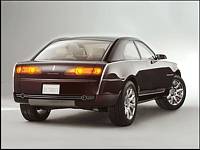
A unique seat design incorporates hard shells that appear to float above the concepts gorgeous hardwood floor. The rear seats are also individual bucket types with the air space at center optionally optimized for a fifth occupant, child seat, central armrest or simply more space for fitting in longer items. This flexibility is possible because the Navicross doesn't have a rear bulkhead, normally needed to stiffen a car's structure. The Lincoln concept's ring frame design makes this crossmember redundant. Improving access is a two-piece tailgate, with a drop down bumper that extends the cargo floor length past the rear of the car to make loading bulky items easier.
From an interior design perspective the Navicross breaks more rules than just the lack of a rear bulkhead, hardwood floors and chair-like seats. Aniline leather seat surfaces compliment hair-on-hide door panels, lit up by fiber optic lights no less. An open-air feeling comes from the lack of B-pillars between the 'suicide' doors as well as a pair of longitudinally mounted transparent solar panels that begin at the top edge of the windscreen and follow through to the rear of the passenger compartment.