





Despite sporting less than super-tech chassis and body architecture, the Esprit is still considered to be one of the best handling cars on the market today, the epitome of a driver's car. Just like the legendary Seven, the Esprit was engineered for performance first, and even after all these years it's still brilliant at what it was designed to do.
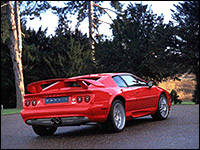 |
| Even without a high-tech chassis or major electronic driving aids, such as traction control, the Esprit still performs superbly. (Photo: Lotus) |
Without stability control, without traction control and without any major electronic driving aids, the Esprit manages perfectly fine, something that many manufacturers still struggle to do. Then again there are problems that come with age: at high speed, the massive front windshield reportedly fails to stay swept by the wipers, and the beady flip-up headlights don't have the power to fully penetrate dark roads ahead... ah, that's living life on the very edge of one's seat.
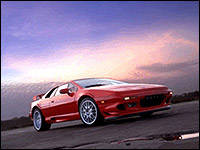 |
| The Esprit is a classic piece of exotic sports car history that brings back feelings of a simpler yet often more exhilarating era.(Photo: Lotus) |
The Esprit, the Morgan and the Caterham 7 are perhaps the only true British classics still built upon original platforms. Production has effectively ceased for the homeland market, and what's left in the Lotus factory warehouse is a small stock of left-hand-drive final version Esprits.
For a twenty-seven year old car, architecturally, there's no arguing that this Lotus is very good. But after factoring in its $129,900 price tag, deducting points for interior refinement issues, considering suspect reliability, and finally adding up for a slight deficiency in power compared to many of its rivals, the Esprit's flames of passion rapidly reduce into spurts of smoldering sparks.