





So BMW has managed to make the 3-Series larger and equipped with more equipment, but somehow kept its weight within the limits of
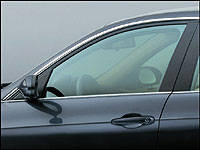 |
| Although larger and better equipped, BMW somehow managed to keep the overall weight equal to the outgoing car while increasing body rigidity by 25 percent. (Photo: BMW Canada) |
I've been in the Regensburg, Germany plant, one of five plants where 3s are manufactured, and can attest to its amazing versatility. Starting from rolled high-strength steel, body parts are formed by one of the world's largest freestanding presses, allowing a single sheet of metal to transform into almost the entire substructure of any given side of the car. Floorpan, the side sections framing the doors, roof section, and more, are all constructed of one piece stamps. This reduces welds, and therefore weak spots. By strengthening the steel before it goes into the press, and then by creating molds
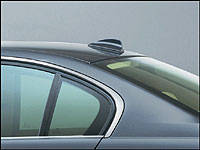 |
| At the factory, body parts are formed by one of the world's largest freestanding presses, allowing a single sheet of metal to transform into almost the entire substructure of any given side of the car. (Photo: BMW Canada) |
The rest of the plant is an eye-opener too, especially where the interiors are automatically installed via robotic arms, and then bolted in place by hand. What makes it unusual compared to most facilities, at least those more than 5 years old, is that each car is made to order. Meaning, BMW dealers order a new 3-Series in the exterior color of their choice, with the specific interior color choice and materials, plus options. Everything comes down a specific automated line, one carrying the front passenger seat for instance, in absolute precision, ready to fit into the exact car that the specific seat was ordered for. That car might be a sedan, wagon, convertible or coupe, as all body styles are lined up randomly based on time order.