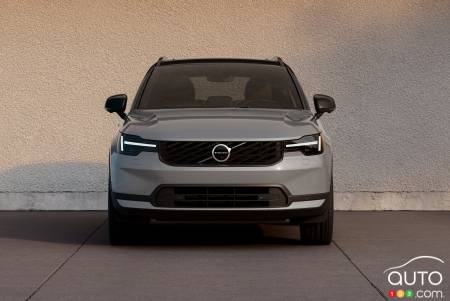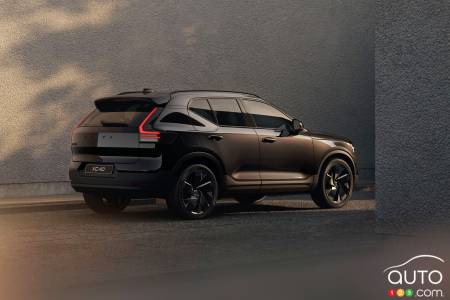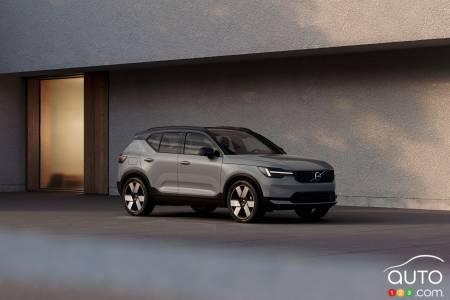



Volvo is bringing a series of updates to its XC40 for 2028. The luxury compact crossover receives a partially revised look, new central display and an enhanced technology platform that allows for the integration of additional safety and driver-assistance features.
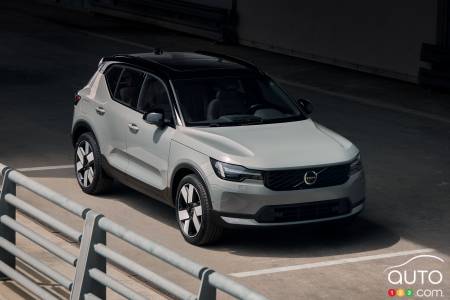
Design of the 2028 Volvo XC40
Up front, the XC40 adopts a new interpretation of the Thor's Hammer matrix LED headlights. The grille, bumper, hood and front fenders have also been redesigned. There are changes at the rear as well, with new LED taillights taking their place, along with a reworked tailgate and bumper.
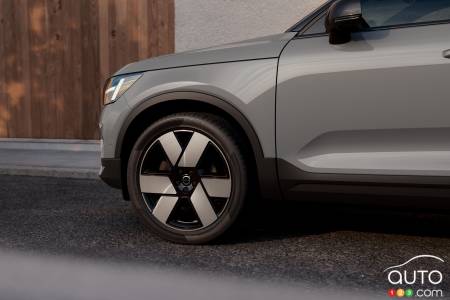
Volvo is also introducing new 18-, 19-, and 20-inch wheel designs.
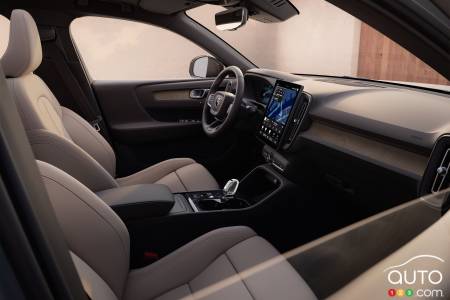
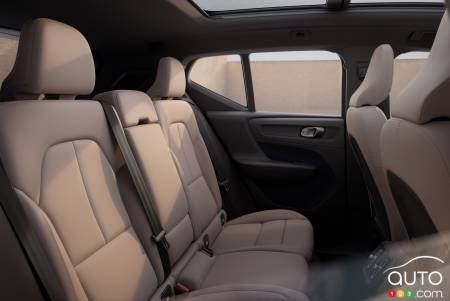
Interior of the 2028 Volvo XC40
The primary update inside is the addition of an 11.2-inch central display. Larger than the screen it replaces, it provides access to Volvo's newest user interface. The automaker says it has reduced the number of steps required to access key functions.
The infotainment system also incorporates Gemini, Google's artificial intelligence assistant. This allows drivers to use natural language voice commands to plan routes, search for stops or manage messages. Take note, however, that app compatibility and availability may vary by market.
The wireless phone charger has also been updated. New trim options join the catalog, including Cardamom leather upholstery paired with Brown Ash wood accents.
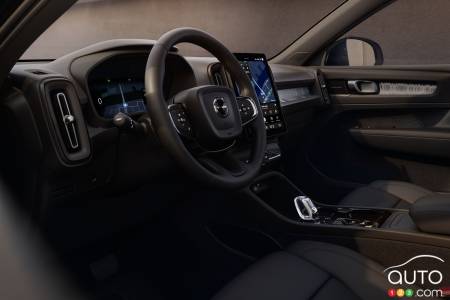
Technology in the 2028 Volvo XC40
Other than bringing in the new tech noted above, Volvo is using the update to overhaul the XC40's safety architecture. The vehicle receives new front and side radars, a new front camera, rear radars, 12 ultrasonic sensors and updated parking cameras.
These components feed systems such as automatic emergency braking and evasive steering assist. A door opening alert also makes its debut to warn occupants if a cyclist or other road user is approaching the vehicle.
The optional Pilot Assist system can now assist the driver with lane changes. Volvo also notes that the system's operation has been refined to follow the road's curvature more naturally. Meanwhile, the optional 360-degree camera system gains a 3D view to ease low-speed maneuvers.
As mentioned, standard equipment, options and connected services might and probably will differ by market. Volvo hasn’t yet detailed the specific configurations that will be offered in Canada.