





Equally interesting to high-octane sports cars is the proposition of a hybrid-powered X3. While BMW has made great advancements in the quest for green power through its internal combustion hydrogen engine program, there is also interest in the gasoline- and or diesel-electric hybrid
field. BMW demonstrated an all-new way of harnessing electrical power in a hybrid vehicle, as demonstrated through its "Efficient Dynamics" X5 demonstrator vehicle. Rather than using heavy and space-consuming batteries to store electrical energy, the Efficient Dynamics vehicle incorporated capacitor technology, which BMW calls Syncaps.
Like most other hybrids, the electric motor is wedged in between the transmission and the engine, but due to their small size, the capacitors are mounted in the doorsill of the vehicle rather than in the frame, preventing costly structural modification. Where most electric motors only add a small, supportive power boost, the Syncaps were able to produce in excess of 1000 Nm (738 lb-ft) of torque, capable of breaking traction on all four wheels during hard acceleration.
Syncap technology has been proven by BMW to be more responsive than the typical battery pack system, mostly due to the unique ability of the capacitor to charge and then release high amounts of energy in a short period of time. Although the Syncaps can only provide ten or so seconds of
power, it's enough to reduce the X5's fuel consumption by 15 percent in the mixed cycle, benefiting the most during stop and go traffic and highway passing. Mated to a lighter SUV with a smaller engine, the Efficient Dynamics X3 could be even more impressive than the X5 tester.
Having improved the entire range from 1-Series to 7-Series, including X-series Sports Activity Vehicles, BMW is certain to wow prospective buyers with its current product lineup. Yet, with the possibility of three new concepts on the horizon - ones that cater to the driving enthusiast as well as the technological savvy - this year's Frankfurt Motor Show may also be a preview of things to come from Munich. We'll keep you posted on the latest happenings in the forthcoming days.
 |
| BMW demonstrated an all-new way of harnessing electrical power in a hybrid vehicle, as demonstrated through its "Efficient Dynamics" X5 demonstrator vehicle. (Photo: BMW AG) |
Like most other hybrids, the electric motor is wedged in between the transmission and the engine, but due to their small size, the capacitors are mounted in the doorsill of the vehicle rather than in the frame, preventing costly structural modification. Where most electric motors only add a small, supportive power boost, the Syncaps were able to produce in excess of 1000 Nm (738 lb-ft) of torque, capable of breaking traction on all four wheels during hard acceleration.
Syncap technology has been proven by BMW to be more responsive than the typical battery pack system, mostly due to the unique ability of the capacitor to charge and then release high amounts of energy in a short period of time. Although the Syncaps can only provide ten or so seconds of
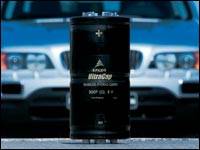 |
| Syncap technology has been proven by BMW to be more responsive than the typical battery pack system. (Photo: BMW AG) |
Having improved the entire range from 1-Series to 7-Series, including X-series Sports Activity Vehicles, BMW is certain to wow prospective buyers with its current product lineup. Yet, with the possibility of three new concepts on the horizon - ones that cater to the driving enthusiast as well as the technological savvy - this year's Frankfurt Motor Show may also be a preview of things to come from Munich. We'll keep you posted on the latest happenings in the forthcoming days.
Article Gallery