


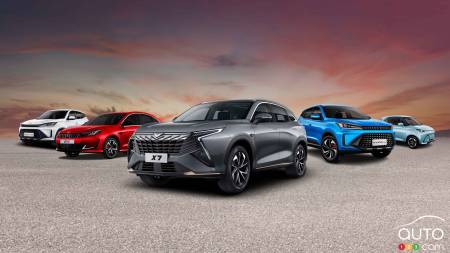



In the space of a few years, electric vehicles have captured nearly half of the Chinese automotive market, leaving gas-engine models — and the companies that make them — behind.
This lightning-quick transition has forced many traditional Chinese automakers to seek outlets elsewhere for the ICE models that no longer sell well domestically. And while the U.S. and Europe impose tariffs to protect themselves from subsidized Chinese electric cars, it is primarily a wave of low-priced gasoline vehicles that is disrupting markets, specifically in Eastern Europe, Africa, Latin America and even the Middle East.
According to the Automobility firm, 76 percent of Chinese automotive exports since 2020 have been gas-engine vehicles, and annual exports have jumped from 1 million to over 6.5 million units in four years.
How China ended up with a surplus of combustion cars
The same industrial policy that propelled its electric sector accelerated the collapse of sales of gas-engine vehicles in China – all while freeing up enormous production capacity.
State-owned giants like SAIC, BAIC, Dongfeng and Changan, historically supported by joint ventures with VW, GM and Nissan, have seen domestic sales plummet. The result: assembly lines capable of churning out up to 20 million combustion vehicles per year are now underutilized.
To survive, those manufacturers had only one option: export massively.
• SAIC went from 400,000 units exported in 2020 to over a million last year.
• Dongfeng, which exported nearly 250,000 vehicles in 2020, has quadrupled that in five years.
• Chery is the undisputed champion, with explosive growth reaching 2.6 million global sales in 2024, 80 percent of which are gasoline models.
For these brands, the strategy is simple: sell what markets can absorb. And in many regions of the world, electrification is still far behind.
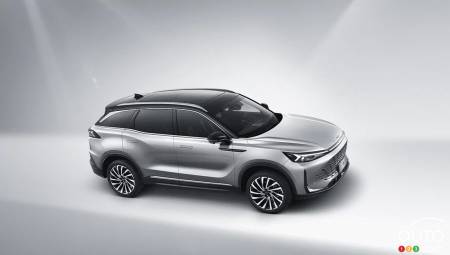
China fills a vacuum left by traditional brands
In many countries, consumers still prefer combustion engines due to low purchasing power and lack of charging infrastructure. The very low price of Chinese models is proving very attractive, and those vehicles often boast newer technology than the most “affordable” electric models produced by Western manufacturers.
A few examples:
• Poland: 33 Chinese brands have entered the Polish market since 2023. BAIC, Changan and GAC are engaged in a price war there that distributors call “madness”.
• South Africa: Chinese brands have grabbed 16 percent of the market, with only 11 electric cars sold in the country in the first half of the year; the rest are all ICE vehicles.
• Chile: Nearly one-third of the market now belongs to Chinese brands. Sales of Chevrolet, Nissan and VW vehicles have dropped between 34 and 45 percent.
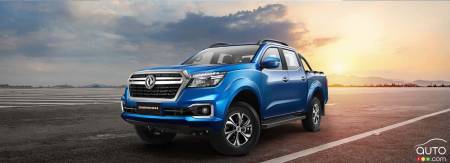
• Uruguay: The Dongfeng Rich 6, a clone of the Nissan Frontier, sells for nearly $10,000 less than its Japanese cousin; it’s an irresistible argument in rural areas.
A serious threat to Western manufacturers
Western auto executives acknowledge the Chinese threat, even if many still underestimate the impact of exported gasoline vehicles. Stellantis, GM, Ford, Toyota and Hyundai are seeing their market share erode in several regions. GM and Hyundai have even announced an alliance for South America to reduce their costs.
At the gates of North America
Mexico has become China's largest global customer (more than 200,000 Chinese cars in 2024). The United States is exerting strong diplomatic pressure to limit these imports. Russia, once a land of opportunity for Chinese brands, is now imposing massive fees to curb the invasion.
Industrial overcapacity: A structural problem in China
The boom in largely subsidized EV plants has not been accompanied by a conversion of older combustion engine lines. Many provinces offered land, infrastructure and turnkey factories to attract new manufacturers. The result is overproduction. China can produce over 20 million electric and hybrid models per year and 30 million gas-engine models. These figures are well beyond China's domestic needs.
Manufacturers have no choice: export or die
AlixPartners' forecasts are unequivocal: by 2030, Chinese brands will sell 4 million more vehicles abroad and could control 30 percent of the global auto market.
Their strategy:
• Avoid the price wars ravaging the domestic Chinese market.
• Establish a solid presence in all countries where gasoline cars are still dominant.
• Gradually introduce hybrids and EVs when markets are ready.
As one Jetour executive sums it up, "China no longer wants price wars. It wants markets."