





Chrysler aside, which has seen incrementally increasing sales, Toyota and Honda rivals General Motors Corp. and Ford Motor Co.
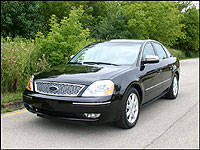 |
| Toyota and Honda rivals General Motors Corp. and Ford Motor Co. have been pummeled by Asian competitors in recent years. (Photo: Trevor Hofmann, Canadian Auto Press) |
In other words, Ford and GM have been watching their North American market share erode by an alarming rate. Job losses are incurring and more are immanent, making the problem as much of a problem for politicians as it is for Big 3 CEOs. It only makes sense then, especially when considering the alleged unfair trade practices some analysts, politicians and domestic brand executives complain are in place to keep foreign cars out of Japan, that the largest Japanese automakers are worried about a protectionist backlash by the U.S. government, if not directly from the populace which keeps buying new Hondas, Toyotas, Nissans and Mazdas.
Japanese execs certainly don't want to revisit the "Japan-bashing" 1980s, when the Asian country's burgeoning automakers were
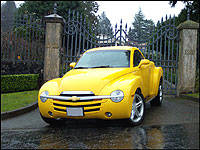 |
| "The auto industry is a symbol of the United States, and we wish the best for GM." (Photo: Shawn Pisio, Canadian Auto Press) |
This situation is deemed so critical to Japanese interests that earlier this month Japanese Prime Minister Junichiro Koizumi met with U.S. Chamber of Commerce President Thomas Donahue about the U.S. auto industry, and made specific references to General Motors.
"The auto industry is a symbol of the United States, and we wish the best for GM," Koizumi told reporters after the meeting, adding that U.S. and Japanese automakers must coexist and prosper together.