






According to credible information circulating, the U.S. Environmental Protection Agency (EPA) is preparing a draft proposal that calls for the elimination of its regulations limiting greenhouse gas emissions. Needless to say, that would represent a serious step back in the fight against pollution and, on a larger scale, global warming.
As reported by The New York Times, the draft proposal being prepared by the EPA’s current leadership would refute a 2009 finding that carbon dioxide and methane emissions endanger public health.
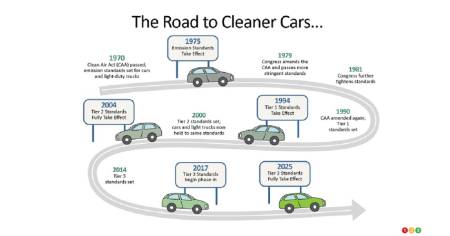
If the proposal passes, it would eliminate the limits imposed on manufacturers regarding polluting emissions from their vehicles' tailpipes. It would also remove carbon emission reduction targets for manufacturers.
Already, fines for violating CAFE (Corporate Average Fuel Economy) standards have been largely eliminated by the Trump Administration. This of course comes on top of the elimination, as of September, of federal rebates on EV purchases.
All these decisions could influence manufacturers' choices. Some might be tempted to bring back more polluting vehicles to their catalogues.
That is not a given, though. Automakers have invested billions in electrification, and they will not change course so readily, especially since regulations and incentives could and probably will return with a new administration in Washington down the road.
Still, the reported draft proposal is serious business. If it is implemented, in the long term, it could limit the EPA's authority to implement rules aimed at mitigating the effects of climate change.
Emissions are acknowledged
It should also be noted that the proposed bill does not dispute the scientific data related to greenhouse gas emissions. Rather, it asserts that the EPA has legally overstepped its authority. It seeks to limit the EPA's ability to legislate, except in cases where specific circumstances are involved.
Challenges ahead
There are several steps still to be taken before the proposal becomes policy and, more importantly, law. And even if carried through, the plan will undoubtedly be challenged by various groups in court.
On the subject, Car and Driver highlights an interesting point: it took the EPA two years at the time (2007-2009) to officially recognize greenhouse gases as a public health problem. Overturning a judgment could take just as long.
Nevertheless, the whole situation is concerning; the door for rollbacks on polluting emissions limits keeps opening wider.