





Tesla will end production of the Model S sedan and the Model X SUV this coming spring. This comes as the EV maker prepares to ramp up production of robots at the plant in Fremont, California that currently assembles the two EVs.
Elon Musk told those listening in on the company’s earnings call this week that “It's time to basically bring the Model S and X programs to an end with an honorable discharge, because we're really moving into a future that is based on autonomy.”
And that future includes the production of 1 million Optimus robots per year at the Fremont plant, Musk said. To be sure, Elon Musk has been known to make outsized claims regarding both production and sales targets, so that number may or may not be realistic.
What is sure, however, is that the Models S and X will soon be things of the past. The former, while not the very first Tesla model to launch – that honour goes to the Roadster – was the first to aim at a wide audience when it arrived on the market in 2012. The Model X SUV with its distinctive gull-wing doors followed in 2015.

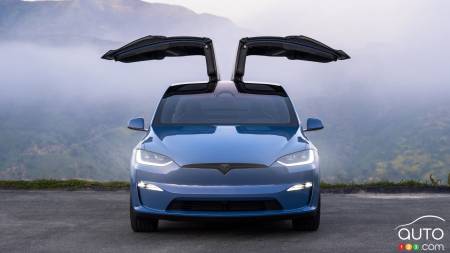
Increasingly irrelevant?
While Musk acknowledged feeling a pang of sadness at the two models’ demise, the fact is they accounted for an increasingly small percentage of Tesla sales in recent years. They were expensive and were heavily outperformed by the mass-market Model 3 and Model Y. According to Inside EVs, those two models accounted for 1.6 million sales for Tesla in 2025; the company’s category of “other models”, which includes the S and Y as well as the unfortunate Cybertruck, registered only 50,850 units sold.
In other words, their end might be causing pain in Musk’s heart, but not so to the company’s bottom line.
Beyond robots, Elon Musk maintained that Tesla isn’t getting out of the EV business by any means. New models are in the works, notably the already announced and promised Cybercab, the Semi truck and revamped Roadster.