


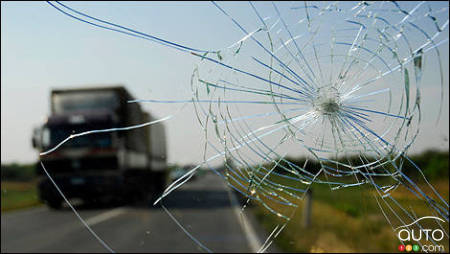



Can I drive with a cracked windshield?
The windshield provides optimal visibility of the road and strengthens the structure of your vehicle. Although it is designed to withstand impact, a sudden change in temperature or an impact may be enough to cause a crack. If the car remains in working order, is it still safe and legal to drive? Here's what you need to know about cracked windshields.
The dangers of a cracked windshield
Driving with a cracked windshield is not without risk. Even a small crack can compromise your safety and the safety of others on the road. Here are the main dangers to be aware of:
- - Reduced visibility: Even a small crack can reduce your field of vision. It can cause annoying reflections or distract the eye. A crack affects your ability to anticipate road hazards.
- - Structural weakening: The windshield contributes to the rigidity of your vehicle as a whole. A crack weakens this structure and increases the risk of breakage in the event of a collision or accident.
- - Reduced protection against flying debris: A damaged windshield is no longer fully effective as a barrier against flying debris. Pebbles, tree branches and other objects can exacerbate the damage and widen the crack.
Given these risks, it's important to repair or replace a cracked windshield right away. While some damage may seem minor, it can quickly get worse. Prompt repair by a professional will ensure your safety and avoid more costly complications in the long run.
French legislation on damaged windshields
French legislation regulates the condition of car windows via article R316-3 of the Highway Code. The inspection focuses on the "zone of vision" of the windshield, which is the area swept by the windshield wipers. Any anomaly in this zone may result in a fine and a 4th class ticket.
Specifically, the following anomalies require windshield repair :
- - The crack is longer than 2.5 cm.
- - It is in the driver's direct field of vision.
- - The crack is within 2 inches of the edge of the windshield.
- - The glass shows more than three impacts, even small ones.
What type of work is required depending on the condition of the windshield?
Glass repair or replacement are the two options for restoring your windshield. The choice of procedure depends on the size and location of the damage and the professional's opinion.
Repair is possible if :
- - The crack is less than 2 inches.
- - It is outside the driver's field of vision.
- - It is not near the edges of the windshield.
- - The technique involves injecting a special resin into the crack to strengthen the glass. It's an effective, quick and economical solution.
Replacement is essential when :
- - The crack is too long or too deep.
- - It is in a critical area, especially facing the driver.
- - The windshield has suffered multiple impacts.
- - Replacement ensures optimum safety. In all cases, a professional diagnosis is essential to accurately assess the situation.
How to repair a cracked windshield
As soon as you notice a crack in your windshield, it's important to act quickly to prevent further damage. Here are the steps you need to take to repair a cracked windshield in the best possible conditions:
- - Contact your car insurance company: a prior declaration will allow you to find out about your rights to reimbursement and any deductibles that may apply.
- - Choose a specialist: Choosing an accredited centre will ensure that the work is carried out to the highest standards.
- - Evaluate the crack: an accurate diagnosis will determine if a repair is sufficient or if the windshield needs to be replaced.
- - Follow post-repair instructions: recommendations on drying time or post-repair behavior can be provided.