





Have a good look around the S60’s cabin and body, noting any premature paint wear, bubbling or rust on the paint, and loose or missing panels, knobs or trim bits inside.
Also, a full check over of the vehicle’s suspension system by a qualified mechanic may be a good idea-- as owners have reported potential durability issues with suspension components. Note that any knocking, popping or clunking sounds during a test-drive typically mean a suspension part will need replacing.
Next, shoppers considering a turbocharged model are advised to scrutinize the vehicle’s turbo system for signs that the turbocharger may be nearing the end of its life. Properly maintained, a turbocharger should last the life of the vehicle-- though a badly worn unit may give itself away in a number of ways.
If the turbocharged S60 you’re considering smokes from its tailpipe during idle or acceleration, or has heavy oil deposits in the charge pipes or intercooler, it may be best to move onto a different unit. Ask a mechanic if you’re in doubt, and don’t assume the seller isn’t trying to pass an expensive turbo replacement onto you.
Check all service records where applicable, ensuring the vehicle’s former owner(s) were fond of sticking to oil and fluid-change schedules.
Inconsistent throttle response, surging or ‘bogging’ may be the result of a bad throttle-position sensor or turbocharger, and smooth, linear acceleration at light, moderate and full throttle should be confirmed.
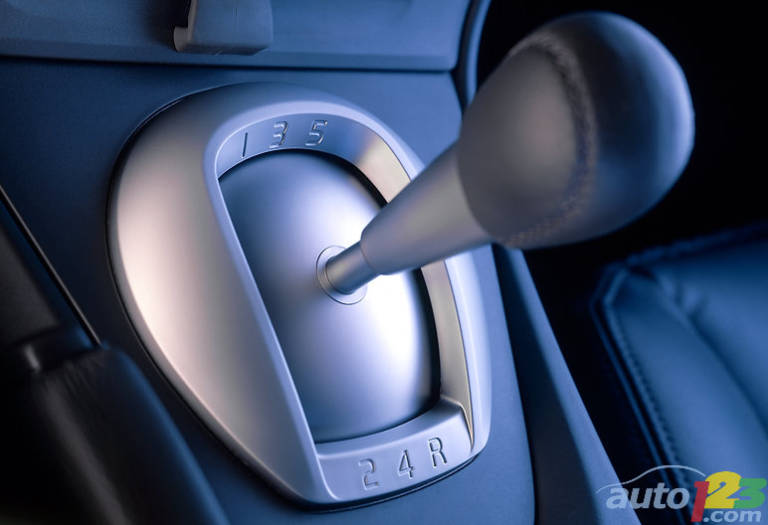
Where possible, stick to the manual transmission-- which should prove more reliable and less expensive to maintain than an automatic. If you’d rather not change gears yourself, ensure gearshifts are clean, consistent and free of slippage, unwelcomed noises or shuddering. If any of the latter are present, be sure to figure out why.
On manual-equipped models, especially with the higher-output engines, ensure the clutch isn’t slipping and that gears don’t grind during shifting. Either of the above could indicate that a clutch replacement (and the associated bill) may be in your near future.
In the usual online sources, common last-generation S60 problems seem to be of the relatively minor variety-- though the potential for expensive repairs on a poorly-maintained used model exists nonetheless. A full inspection from a qualified, Volvo-trained mechanic should be considered mandatory before purchase. This inspection, as well as seeking out a model that’s been dealer-maintained according to Volvo’s recommendations will prove key in finding an S60 with maximum potential longevity.
Also, a full check over of the vehicle’s suspension system by a qualified mechanic may be a good idea-- as owners have reported potential durability issues with suspension components. Note that any knocking, popping or clunking sounds during a test-drive typically mean a suspension part will need replacing.
Next, shoppers considering a turbocharged model are advised to scrutinize the vehicle’s turbo system for signs that the turbocharger may be nearing the end of its life. Properly maintained, a turbocharger should last the life of the vehicle-- though a badly worn unit may give itself away in a number of ways.
If the turbocharged S60 you’re considering smokes from its tailpipe during idle or acceleration, or has heavy oil deposits in the charge pipes or intercooler, it may be best to move onto a different unit. Ask a mechanic if you’re in doubt, and don’t assume the seller isn’t trying to pass an expensive turbo replacement onto you.
 |
| 2009-2010 Volvo S60 (Photo: Volvo) |
Check all service records where applicable, ensuring the vehicle’s former owner(s) were fond of sticking to oil and fluid-change schedules.
Inconsistent throttle response, surging or ‘bogging’ may be the result of a bad throttle-position sensor or turbocharger, and smooth, linear acceleration at light, moderate and full throttle should be confirmed.
Where possible, stick to the manual transmission-- which should prove more reliable and less expensive to maintain than an automatic. If you’d rather not change gears yourself, ensure gearshifts are clean, consistent and free of slippage, unwelcomed noises or shuddering. If any of the latter are present, be sure to figure out why.
On manual-equipped models, especially with the higher-output engines, ensure the clutch isn’t slipping and that gears don’t grind during shifting. Either of the above could indicate that a clutch replacement (and the associated bill) may be in your near future.
In the usual online sources, common last-generation S60 problems seem to be of the relatively minor variety-- though the potential for expensive repairs on a poorly-maintained used model exists nonetheless. A full inspection from a qualified, Volvo-trained mechanic should be considered mandatory before purchase. This inspection, as well as seeking out a model that’s been dealer-maintained according to Volvo’s recommendations will prove key in finding an S60 with maximum potential longevity.
Article Gallery