





GM says a relatively high rate of wear occurs during break-in compared to the rest of the vehicle's life. Through testing, engineers have determined that most of this wear has occurred by 805 kilometres in a standard engine-- after which point speed and load can be gradually increased.
High performance engines like that in the Chevrolet Corvette are subjected to more heat, tighter tolerances and higher stresses than a standard engine—and the break-in procedure is more complicated, too. The Corvette manual outlines a break-in of over 2,400 kilometres, advising that long-run performance will be improved if procedures are followed.
For the first 805 km, there’s no full throttle (bummer!), no exceeding of 4,000 RPM and no use of cruise control. Owners are also advised not to let the engine ‘lug’ by allowing it to pull the car from very low revs. Finally, the Corvette manual suggests owners watch oil consumption and avoid competitive driving for the first 2,414 kilometres.
Mercedes-Benz knows a thing or two about performance engines as well. Their Manager of Technical Service, Literature and ISO is Sylvain Gilbert. He explains what goes on inside an engine during break-in.
“Modern manufacturing technologies can precisely cut, polish and hone materials at exact dimensions, with tight tolerances. However, at a microscopic level, metal surfaces that appear perfectly smooth can actually still be rough. During break-in, the peaks of the microscopically rough metal surface get shaved off or flushed away, so the surfaces smooth out and glide with less resistance”.
The standard Mercedes-Benz break-in for gas and diesel engines recommends driving at varying engine speeds for 1,500 kilometres while keeping the revs below 4,000. After this point, customers can gradually increase engine speed and load to the permissible maximum.
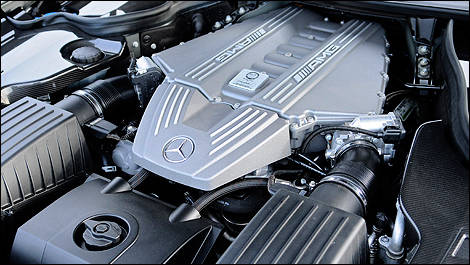
When it comes to breaking in the brand’s high-performance AMG engines, Gilbert explains “We recommend the same break-in procedures for the AMG high-performance engines, with more specific instructions that drivers should not exceed 140 km/h or engine speeds of 4,500 RPM. Also, we instruct drivers that engines should be hot before being driven in the higher RPM and load ranges”.
He also notes that the specially-designed AMG engines take higher loads into account, using special materials and parts to handle additional stresses of performance driving.
Gilbert had some other interesting information to share on engine break-in, too. “Optimal engine performance and fuel consumption are only reached after the break-in period is complete” he said, adding “it’s also interesting to note that engine power varies a little over engine life. Initially, the power will raise within the first hundred kilometres”.
Not sure the proper break-in procedure for your vehicle? Like so many other questions relating to your new ride, the answer is in your owner’s manual.
photo:Jupiter images, Bertrand Godin
High performance engines like that in the Chevrolet Corvette are subjected to more heat, tighter tolerances and higher stresses than a standard engine—and the break-in procedure is more complicated, too. The Corvette manual outlines a break-in of over 2,400 kilometres, advising that long-run performance will be improved if procedures are followed.
For the first 805 km, there’s no full throttle (bummer!), no exceeding of 4,000 RPM and no use of cruise control. Owners are also advised not to let the engine ‘lug’ by allowing it to pull the car from very low revs. Finally, the Corvette manual suggests owners watch oil consumption and avoid competitive driving for the first 2,414 kilometres.
Mercedes-Benz knows a thing or two about performance engines as well. Their Manager of Technical Service, Literature and ISO is Sylvain Gilbert. He explains what goes on inside an engine during break-in.
 |
“Modern manufacturing technologies can precisely cut, polish and hone materials at exact dimensions, with tight tolerances. However, at a microscopic level, metal surfaces that appear perfectly smooth can actually still be rough. During break-in, the peaks of the microscopically rough metal surface get shaved off or flushed away, so the surfaces smooth out and glide with less resistance”.
The standard Mercedes-Benz break-in for gas and diesel engines recommends driving at varying engine speeds for 1,500 kilometres while keeping the revs below 4,000. After this point, customers can gradually increase engine speed and load to the permissible maximum.
When it comes to breaking in the brand’s high-performance AMG engines, Gilbert explains “We recommend the same break-in procedures for the AMG high-performance engines, with more specific instructions that drivers should not exceed 140 km/h or engine speeds of 4,500 RPM. Also, we instruct drivers that engines should be hot before being driven in the higher RPM and load ranges”.
He also notes that the specially-designed AMG engines take higher loads into account, using special materials and parts to handle additional stresses of performance driving.
Gilbert had some other interesting information to share on engine break-in, too. “Optimal engine performance and fuel consumption are only reached after the break-in period is complete” he said, adding “it’s also interesting to note that engine power varies a little over engine life. Initially, the power will raise within the first hundred kilometres”.
Not sure the proper break-in procedure for your vehicle? Like so many other questions relating to your new ride, the answer is in your owner’s manual.
photo:Jupiter images, Bertrand Godin