





The rapid depreciation of electric vehicles is a well-known phenomenon, but recent figures show how concerning the situation is. According to a study conducted by iSeeCars on more than 800,000 five-year-old used vehicles sold between March 2024 and February 2025, the value of EVs can drop by almost 75 percent in just five years.
While this news may delight buyers looking for a good price on a used EV, current owners are likely to grimace upon discovering the low resale value of their vehicle.
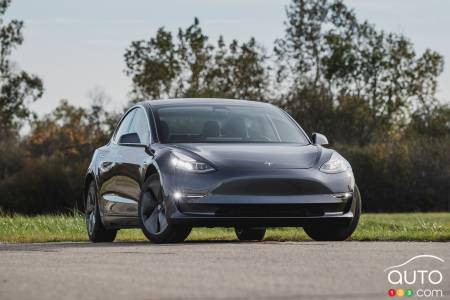
Tesla models, once the epitome of a safe investment, figure prominently in the ranking of the most depreciated electric vehicles:
- • Tesla Model S: -65.2 percent, or $52,165 USD lost
- • Tesla Model X: -63.4 percent
- • Tesla Model Y: -60.4 percent, or $36,225 USD lost
- • Tesla Model 3: -55.9 percent
Even the popular Hyundai Kona Electric suffers, with a loss of 58 percent of its value in five years.

Hybrids faring much better
While all-electric models suffer from steep depreciation, hybrids are showing much more resilience, the study shows. Case in point, the Toyota RAV4 Hybrid lost only 31.2 percent of its value in five years.
Other Toyota models head up the ranking of vehicles most resistant to depreciation. The Toyota Prius, Corolla Hybrid, Prius Prime (Now Plug-In Hybrid), Highlander and Camry lost between 31.2 and 39.8 percent of their value.
Over at Honda, the Honda Accord Hybrid and CR-V Hybrid lost around 41 percent of their value on average, or an average loss of $14,000 USD.
Why such a drop for EVs?
Several factors explain the massive depreciation:
- • Rapid technological progress: Each new generation of batteries offers more range and performance, making older models less attractive.
- • Charging infrastructure still lagging behind: Although progress is being made, some buyers are still hesitant to buy a used EV due to concerns about the availability of charging stations.
- • Government incentives: Subsidies on EVs often only apply to new models, which reduces demand for used EVs.
Deals for used car buyers
If the strong depreciation of EVs is bad news for owners, it represents an opportunity for used car buyers. With falling prices and recent models still offering respectable range and performance, the used EV market could appeal to more and more consumers.
Still, it remains difficult to imagine a reversal of this trend as long as technological advances continue to make older models obsolete in just a few years.