





Diesel Hybrid Vehicles
The diesel hybrid vehicle combines one or more parallel electric motors to assist a diesel or turbo diesel engine. While still relatively marginal, certain manufacturers such as Peugeot, Citroën and Volvo are developing this technology. We will provide you with more information regarding these vehicles as they make their way to our shores.
Plug-in hybrids
Fuel consumption: less than 5 L/100 km
Average CO2 emissions: 1,886 kg/year
Price: less than $45,000
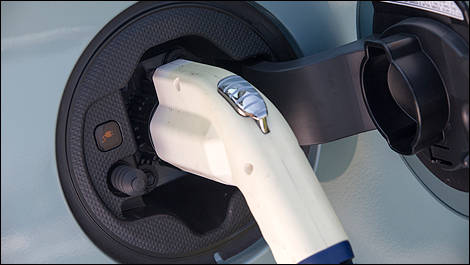
Plug-in hybrid vehicles combine one or more parallel electric motors which assist a combustion engine (Toyota Prius) and also use a plug-in battery-pack that can be recharged in both 120 and 240 volts electrical outlets. These vehicles function in similar fashion to the gasoline-electric hybrids, which recharge the batteries using the engine and the regenerative braking system. The main difference lies with its larger and more powerful battery-pack, which allows longer autonomy (20 kilometres) at higher speeds (70 to 100 km/h), while requiring charging through an electrical outlet.
These vehicles are considerably more expensive than traditional hybrids, but are eligible for government subsidies that vary from $5,469, in the case of the 2013 Ford C-Max Energi, to $4,607 for the 2013 Toyota Prius Plug-in. Leasing subsidies may vary.
Plug-in hybrid vehicles
2013 Toyota Prius PHV (1.9 L/100 km)
2013 Ford C-Max Energi (1.9 L/100 km)
2014 Ford Fusion Energi (4 L/100km)
2014 Honda Accord (NA)
2014 Mitsubishi Outlander PHEV (1.6 L/100 km)
The diesel hybrid vehicle combines one or more parallel electric motors to assist a diesel or turbo diesel engine. While still relatively marginal, certain manufacturers such as Peugeot, Citroën and Volvo are developing this technology. We will provide you with more information regarding these vehicles as they make their way to our shores.
Plug-in hybrids
Fuel consumption: less than 5 L/100 km
Average CO2 emissions: 1,886 kg/year
Price: less than $45,000
Plug-in hybrid vehicles combine one or more parallel electric motors which assist a combustion engine (Toyota Prius) and also use a plug-in battery-pack that can be recharged in both 120 and 240 volts electrical outlets. These vehicles function in similar fashion to the gasoline-electric hybrids, which recharge the batteries using the engine and the regenerative braking system. The main difference lies with its larger and more powerful battery-pack, which allows longer autonomy (20 kilometres) at higher speeds (70 to 100 km/h), while requiring charging through an electrical outlet.
These vehicles are considerably more expensive than traditional hybrids, but are eligible for government subsidies that vary from $5,469, in the case of the 2013 Ford C-Max Energi, to $4,607 for the 2013 Toyota Prius Plug-in. Leasing subsidies may vary.
Plug-in hybrid vehicles
2013 Toyota Prius PHV (1.9 L/100 km)
2013 Ford C-Max Energi (1.9 L/100 km)
2014 Ford Fusion Energi (4 L/100km)
2014 Honda Accord (NA)
2014 Mitsubishi Outlander PHEV (1.6 L/100 km)
 |
| 2013 Toyota Prius PHV (1.9 L/100 km) (Photo: Toyota) |