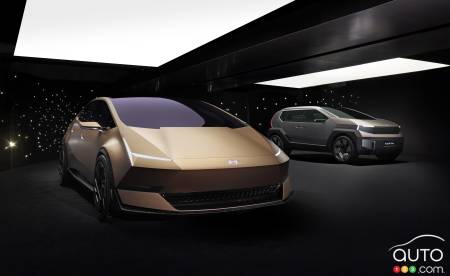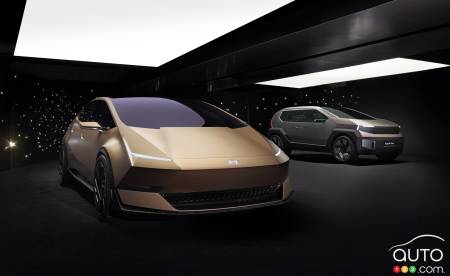



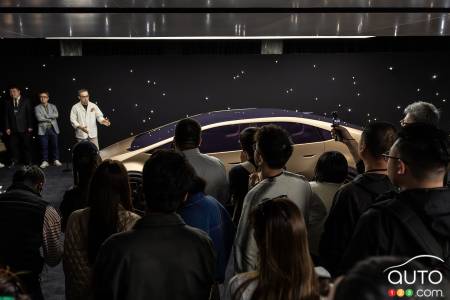
Hyundai has officially initiated a major electric offensive in the world’s largest automotive market. The Korean auto giant launched its dedicated Ioniq sub-brand in China with the world premiere of two striking concept vehicles: the Venus and the Earth.
Unveiled at a special brand event ahead of Auto China 2026, these models signal a dramatic departure from Hyundai’s current "pixel-lighting" design language, moving instead toward a localized, software-defined mobility ecosystem.
A new planetary philosophy
In a strategic pivot tailored to Chinese consumer preferences, Hyundai announced that future Ioniq models in the region will move away from numerical monikers like the Ioniq 5. Instead, vehicles will be named after planets, a naming convention Hyundai calls the “Ioniqverse”. This branding symbolizes the vehicle “orbiting” around the customer, placing the user at the centre of the technological universe.
Both concepts use a “single-curve” silhouette, a design ethos that abandons traditional boxy configurations for a seamless, unified profile. This aesthetic shift is intended to transform Ioniq from a mere product lineup into a comprehensive mobility experience.
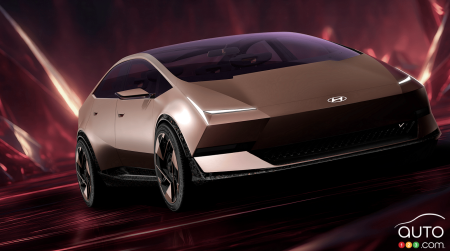
Venus: A high-tech, "trend-setting” sedan
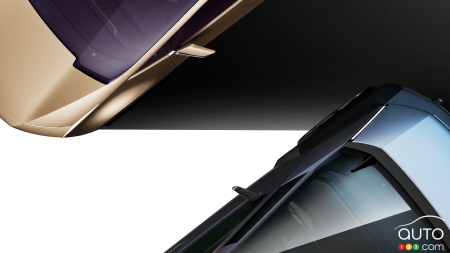
The Venus concept is a sleek, low-slung sedan finished in a brilliant “Radiant Gold” tone. Its design is characterized by crisp lines and high-tech materials, including a lightweight structured panoramic glass roof and a transparent rear lip spoiler.
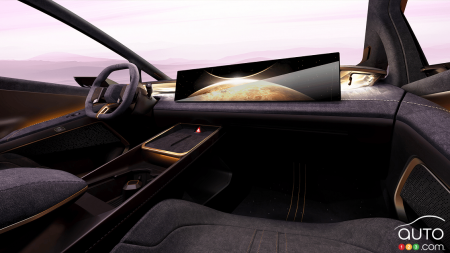
Inside, the Venus features a driver-centric “wraparound” cockpit dominated by a massive screen and glowing gold ambient lighting. The cabin gets a mix of purplish suede and metallic finishes, replacing traditional physical controls with an interactive digital character named Lumi.
One of the concept’s most intricate details is found on the brake pads, which are inscribed with the design of the Voyager Golden Records — the 1977 NASA phonograph records intended for extraterrestrial life.
Earth: A robust family SUV
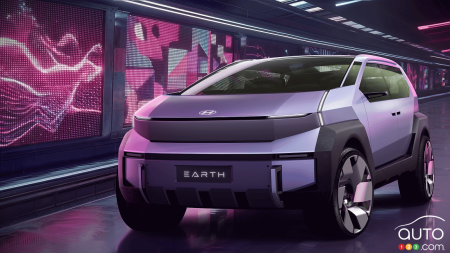
Contrasting the elegance of the Venus, the Earth concept is a muscular family SUV designed with solid proportions and a futuristic, “pointy” aesthetic. Finished in Aurora Shield paint, the exterior features rugged elements such as integrated tow hooks, skid plates and chunky black cladding. One unique architectural detail is a small window built into the A-pillar to improve visibility.
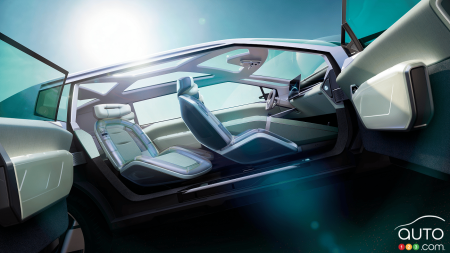
The interior of the Earth is designed as a calm, functional sanctuary. The highlight of the cabin is the "air-hug" seating system, which includes soft air modules that contour and inflate to fit the specific body shape of each passenger. The ambient lighting is designed to mimic natural shadows cast by trees, creating an immersive, nature-inspired environment.
Localized technology and software integration
Beyond design, the Venus and Earth concepts serve as vessels for Hyundai’s new China-specific technology strategy. Both vehicles are expected to run on Pleos, Hyundai’s advanced end-to-end software platform. This Android-based system, known as Pleos Connect, manages everything from the vehicle’s operating system to its hardware, offering a user interface as intuitive as a smartphone.
To remain competitive in the Chinese New Energy Vehicle (NEV) market, Hyundai is collaborating with local partners to integrate advanced autonomous driving systems. Furthermore, the company hinted at market-specific powertrain solutions, including Extended-Range Electric Vehicles (EREVs), to meet the practical needs of Chinese commuters.
Strategic outlook
"We will soon introduce production models that seamlessly combine the smart driving and smart cabin experiences that Chinese consumers demand," stated Li Fenggang, President of Beijing Hyundai.
While the Venus and Earth are specifically developed for Hyundai’s comeback plan in China, their "Lead, Don’t Follow" philosophy will likely influence the brand's global design direction before too long.
Following their digital reveal, the concepts are scheduled to make their public debut at the Beijing Auto Show on April 24, 2026.