Truly, its dealers, who were once used to the high sales numbers and strong profitability of the Trooper in the '80s and '90s, are now
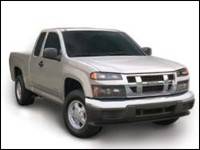 |
| Sales have been tumbling despite having its new i-280 and i-350 pickup trucks in the 2005 lineup. (Photo: Isuzu) |
suffering. Sales are off by more than 50 percent since the start of 2005, with a total of 9,166 out the door by August 31, according to Autodata Corp. Putting this into perspective, it makes up one tenth of a percent of the 6.5 million trucks and SUVs sold in that period. Yes, that's bad. Mitsubishi sells about that many vehicles in Canada, a country one tenth the size of the U.S., and it's struggling.
And what makes matters worse is that Isuzu has had their new pickup truck on sale for the entire year. Dubbed i-280 and i-350, depending on trim level, the new truck is based on the Chevy Colorado/GMC Canyon twins; yes, once again
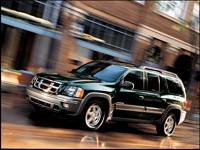 |
| Chevy, GMC, and all of the other nameplates under the GM umbrella,always garner much more attention, thanks to a great deal moremarketing money being thrown at them, than a cloned SUV like theAscender would. (Photo: Isuzu) |
a clone derived from a set of clones. And it's not working? Hard to believe, isn't it? Sometimes I find it difficult to understand just how some automaker execs keep their jobs, let alone get hired in the first place, but then again I was hardly even a fly on the wall and therefore am not privy to the options, or lack thereof, that were available to Isuzu at the time a decision was made to drop proprietary products and merely come to market with GM copies.
Did someone actually believe that Isuzu's brand identity was strong enough to compete with Chevy, GMC, or any of the other nameplates under the GM umbrella, which will always garner much more attention, thanks to a great deal more marketing money being thrown at them? After all, GM only owns a 10 percent share of Isuzu, and therefore stands little to gain by pumping up the import brand. So where does Isuzu go now? Certainly not to Detroit.