


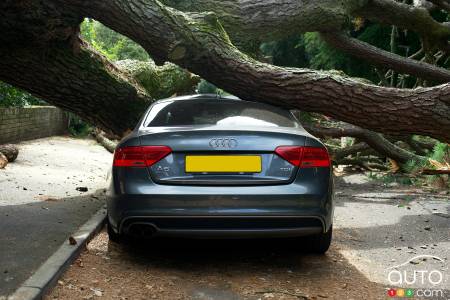



When you're involved in an accident or your vehicle gets a tree on the noggin, it’s no longer just the severity of the impact that can ultimately send your car to the scrap heap. A new industry report reveals a surge in the numbers of vehicles declared total losses after an accident, and that it is attributable in large part to the complexity of modern technology and the increasing age of vehicles on our roads.
Alarming figures
According to the annual Crash Course report by the CCC firm, the percentage of post-accident vehicles being declared a total loss rose from 22.1 percent in 2024 to 22.8 percent in 2025. In other words, nearly one in every four crashed vehicles now ends up on the scrap heap. Even more troubling: between the third quarter of 2024 and the same period in 2025, this proportion jumped by nearly 1 percent. If the trend continues, 2025 could set a historical record.
Another revealing detail: over 72 percent of vehicles declared a total loss are 7 years old or older.

An aging North American fleet
The North American vehicle fleet is aging rapidly. As a vehicle gets older, its market value drops. This decline makes the "total loss" threshold much easier to reach as soon as repair bills begin to climb.
The other main culprit: Technology
Today, just the bumpers on a vehicle can house radars, lidars and ultrasonic sensors. A windshield can conceal cameras, rain sensors and Advanced Driver Assistance Systems (ADAS). This sophistication leads to:
- • Longer repair times;
- • More expensive replacement parts;
- • Mandatory calibration procedures.
In 2025, 88 percent of appraisals performed in certified shops included diagnostic scans, and 36 percent required calibrations to return ADAS systems to working order.

Rising costs across the board
Even when a vehicle is repairable, the cost of doing so is getting steeper. The average cost of repair rose from $4,700 to $4,768 USD (from about $6,400 CAD to over $6,500 CAD) in a single year. Medical claims are also increasing, with more frequent and expensive treatments required from the start of each case.
The extended repair timelines also increase rental car costs for replacement vehicles, putting even more pressure on insurers and, ultimately, on policyholders' premiums.
The domino effect for consumers
Every vehicle declared a total loss triggers a race against time for the owner, who must find a replacement in a market where affordable used car inventory is becoming scarce. Between often-tight budgets and rising insurance premiums, the situation is becoming increasingly precarious for consumers.