


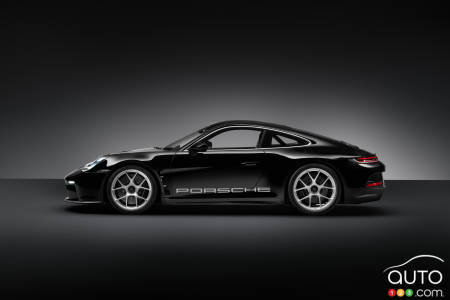



The company is experiencing some difficulties with the shift to electric vehicles, as things are not going as planned. Add to that the crazy global context of tariffs and changing consumer habits in China, and you have an explosive mix.
In 2024, the company's global sales fell by 3%, even though tariffs had not yet been implemented. The situation has worsened this year, with sales down 6% compared to the first six months of 2024.
Things are not looking any brighter for the coming months. In fact, its recent decision to cut 1,900 jobs to reduce costs is clear evidence of this.
Keeping this in mind, the brand's CEO, Oliver Blume, informed employees of planned additional cost-cutting measures in response to declining sales in China and increased expenses caused by tariffs imposed by the Trump administration.
In an email obtained by Bloomberg and sent to staff, Porsche's CEO admitted that "the business model that has served us well for several decades is no longer working in its current form."
The executive candidly admitted that his company was affected more than others. Tariffs are hurting, and the U.S. market is of paramount importance to Porsche. The company is preparing to lose two gasoline-powered sports cars, the 718 Boxster and 718 Cayman, to make way for an electric SUV. There will be a gap of a few months between the end of production of these cars and the arrival of their electric replacements.
Furthermore, the company doesn't know how customers will react. Will as many people want these two vehicles without gasoline engines? The same goes for the electric Cayenne. Will buyers be willing to pay the likely high price tag for this model?
The electric Macan is doing well, which is encouraging. However, the Taycan is a different case. It also got off to an excellent start, but is now lagging behind with sales down 49 percent in 2024 and another 6 percent so far this year.
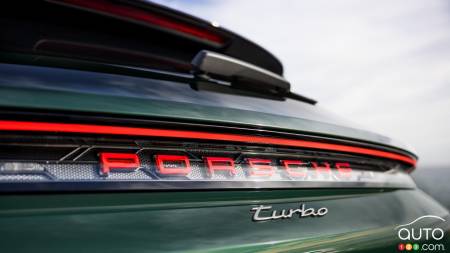
North America
Let's be honest, the North American market remains crucial for Porsche. In fact, it's its most important market. Last year, deliveries increased by 1 percent , and since the beginning of 2025, they have increased by 10 percent .
Of course, concerns arise with regard to tariffs. Porsche vehicles are already expensive, so tariffs shouldn't make too much difference to buyers of a 911. For a Macan, however, it's a different story.
In China, sales fell by 28% in 2024 and continued to decline in 2025, dropping another 28 percent from January to June. Local brands are launching more models that appeal to buyers.
Rumors are circulating about a new Porsche vehicle positioned between the Macan and the Cayenne, but even if that's the case, it won't arrive anytime soon. There's also a three-row electric SUV on the way, but its arrival date is unclear.
What is certain is that the company will continue to offer gas-powered vehicles longer than expected to satisfy customers and maintain acceptable profit margins.
The company has abandoned its goal of having electric models account for 80 percent of its sales by 2030, deeming it no longer realistic.
We will continue to closely monitor this situation, as well as those of other manufacturers who must deal with the new pricing reality and uncertainties related to the pace of the shift to electric vehicles.