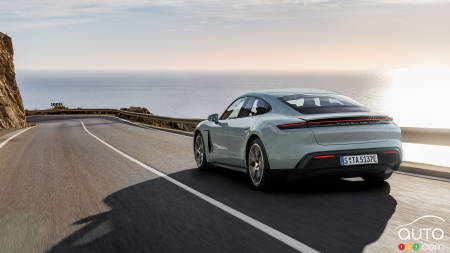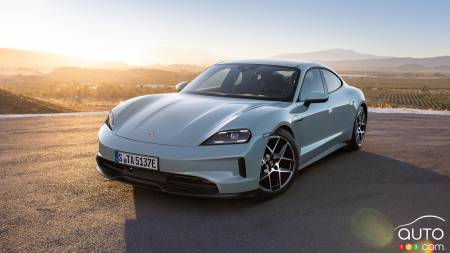



Porsche is reportedly planning to phase out production of its flagship electric vehicle, the Taycan, by 2030. According to German business magazine WirtschaftsWoche, the Stuttgart-based automaker has reached an unwritten agreement with its works council to slowly retire the model rather than transfer assembly to its Leipzig facility.
The move follows a steep decline in Taycan sales in the past two years. After peaking at nearly 41,000 units in 2023, global deliveries dropped to about 16,000 last year; this year, Porsche moved just over 6,000 units through the first half of 2026.
A Porsche spokesperson declined to comment directly on the report, but it’s worth dwelling a moment on CEO Michael Leiters’ recent comment that there are “no plans to discontinue the Taycan in the short term.” 2030 and beyond being in the longer term, that certainly seems to leave the door open to a pulling of the plug.
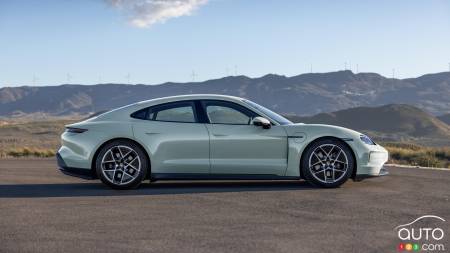
The potential retirement of the Taycan highlights a broader strategic pivot for Porsche. Following slower-than-expected EV adoption across Europe and the U.S., alongside intense price competition from domestic luxury brands in China, Porsche reported a 92.7-percent drop in operating profit for 2025. The automaker has since moved to refocus toward more profitable hybrid and internal-combustion-engine models while extending the lifespan of its traditional powertrains.
Import tariffs imposed by the U.S. administration haven’t helped Porsche’s situation either. Those increased costs by up to $810 million USD in 2025 for the company, and set up all manner of obstacles in what remains its biggest market.
As part of wider restructuring efforts to regain profitability, Porsche has delayed planned electric versions of the 718 Cayman and Boxster. Company leadership also confirmed additional workforce reductions beyond the 3,900 layoffs previously announced through 2030.
Porsche makes clear it has no intention of abandoning electric mobility entirely. Instead, the brand plans to deploy electric models selectively in markets where demand and financial margins justify the investment.