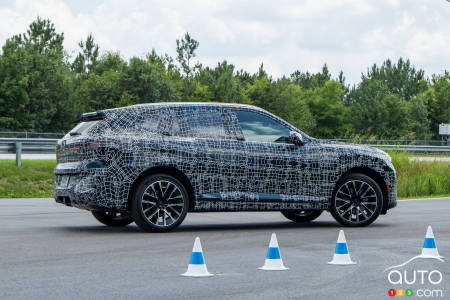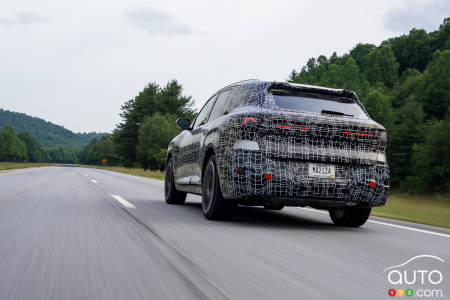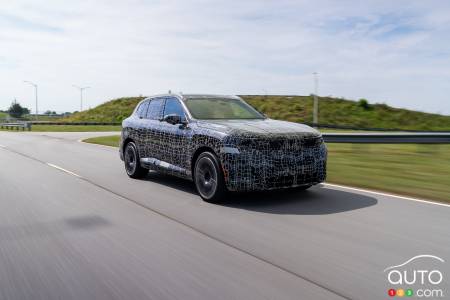



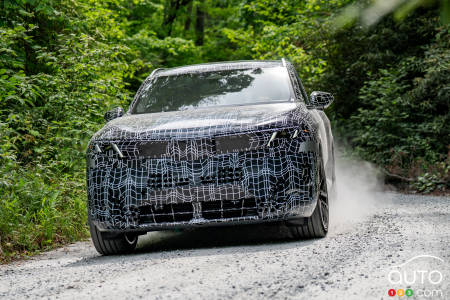
BMW is in the final stretch of development for its fifth-generation X5 and the first-ever fully electric iX5. The German automaker released new images of camo’ed prototype versions of the midsize crossover models as engineers conduct final calibration drives near the corporate production hub in Spartanburg, South Carolina.
2027 BMW X5 / iX5 – What we know
The upcoming 2027 X5 and iX5 are built on BMW's new Neue Klasse modular architecture. This platform allows the company to offer five distinct powertrain types globally: gasoline, diesel, plug-in hybrid, battery-electric and hydrogen. Obviously, we don’t expect to see the diesel and hydrogen variants in North America – they’re slated primarily for international markets. Our market will see the gasoline, plug-in hybrid, and electric configurations populate BMW’s X5 lineup.
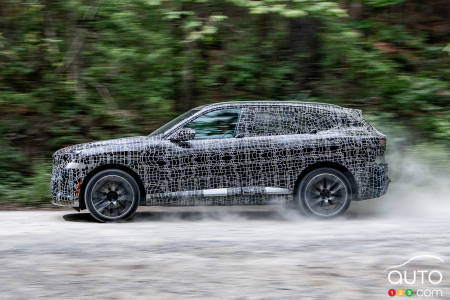
The entry-level X5 40 xDrive gas-fed variant features an updated 3.0L inline-6 engine paired with a 48-volt mild-hybrid system. This setup generates 400 hp, marking a 25-horsepower increase over the outgoing model.
For buyers seeking a partial electric driving range, the X5 50e xDrive plug-in hybrid combines an internal combustion engine with an electric motor to produce 490 hp. The plug-in hybrid is expected to feature faster DC charging capabilities to optimize utility.
The fully electric iX5 60 xDrive debuts with a dual-motor configuration utilizing sixth-generation eDrive technology, delivering a healthy 578 hp. To support extended driving range, the electric model will house a 144-kWh high-voltage battery, which is the largest ever installed in a production BMW. Operating on an 800-volt electrical architecture, the system is designed to sustain peak DC fast-charging rates of up to 400 kW.
BMW is also using the Neue Klasse platform to debut its “Heart of Joy” localized control software, which unifies drivetrain and chassis management. The updated software coordinates regenerative braking with traditional friction brakes to smooth out deceleration maneuvers, while optimizing torque distribution based on real-time tire adhesion.
Mechanically, the new X5s come standard with an adaptive suspension system, staggered front and rear tire sizes on wheels up to 23 inches and available rear-axle steering.
The integrated technology suite introduces Level 2 semi-autonomous driver assistance, including point-to-point navigation support in urban environments. Safety features include an eye-tracking lane-keeping assistant that minimizes false warnings, alongside an automated system that can adjust lane positioning to evade potential side collisions.
Once this last round of testing is in the books, BMW says it expects to begin production of the new X5 in the coming months.