


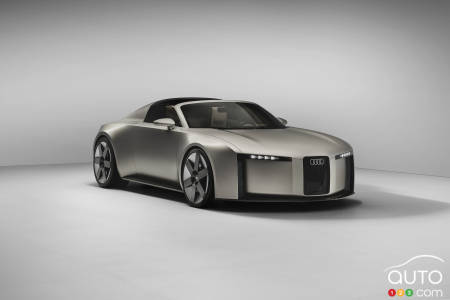



Audi is set to fill the void in its performance lineup with a production version of the Concept C, positioned as the official successor to the TT. The departure of that model and of the mid-engined R8 has left the German brand bereft of a two-door sports ca. Enter a production version of the Concept C, which Audi wants ready by 2027.
The project represents a shift in Audi’s manufacturing culture. Developed under a "China speed" playbook, the car will move from initial sketch to showroom floors in just three years. This accelerated timeline is significantly shorter than the traditional development cycles typically associated with European luxury brands.
Porsche architecture and mid-engine dynamics
The production Concept C will be built on an updated version of the Volkswagen Group’s Premium Platform Electric (PPE) architecture. This is the same hardware designed for the next-generation electric Porsche 718 Cayman and Boxster. Despite industry rumours suggesting potential delays for Porsche’s electric sports cars, Audi CEO Gernot Döllner has dismissed these concerns. In an internal letter, Döllner confirmed that “the delivery of the platform by Porsche is not in doubt” and emphasized the robust collaboration between the two engineering teams.
While specific powertrain details remain under wraps, we do know the vehicle will be fully electric. To preserve the brand's performance DNA, the battery cells will likely be split between the cabin and the rear axle. That configuration allows Audi to mimic the handling and weight distribution of a traditional mid-engined sports car, ensuring the TT successor retains its predecessor's agile characteristics.
The "Project House" strategy
The key to the rapid turnaround from conception to production model is the implementation of "project houses." By ditching tiered committees, Audi is housing design, engineering, procurement and quality control teams under a single roof. This structure grants project leaders direct access to the board, streamlining the decision-making process.
"We have completely adapted that to our processes in Germany," Döllner stated, noting that spontaneous weekly meetings replace months of bureaucratic oversight. By aligning design and testing teams in the earliest phases, Audi aims to prove that European programs can match the speed of the Chinese market without sacrificing the brand’s rigorous validation standards.