





Additionally, Impala boasted a comfortable and relaxed ride, good handling and an easy-to-drive character. Some owners noted feeling particularly ‘confident’, ‘planted’ or even ‘unstoppable’ in winter driving.
Some owner complaints deal with front seat comfort and rear-seat space, though these are relatively rare. Some fit and finish issues tend to present themselves as time passes, namely in the form of interior panel rattles.
Low resale value is an issue for some owners, but it can be a blessing in disguise for shoppers as well. Given the relatively solid operational expectations and relatively low price points, value-minded buyers will probably find the right Impala a good choice.
If shopping, avoid the 3.4 litre engine where possible. This powerplant is known for gasket problems that, over time, can cause some expensive issues. These include leaks, head-gasket failure, and mixing of the oil and coolant within the engine. Conversely, the longer-lived and more robust 3.8 litre V6 has been in GM’s powertrain lineup for decades and amounts to a solid performer.
Mechanical transmission issues seem negligible, though hard or hesitant shifting on account of an electronic problem isn’t unheard of. The solution is often a simple reprogramming of the transmission control module.
On a test-drive, inspect the functioning of all interior accessories, noting operation of the air conditioner, all windows and sunroof. Also, be sure the remote keyless entry system works properly-- as numerous owners report problems with the remotes over time.
Electrical problems tended to be somewhat common, and may show themselves as malfunctioning accessories or warning lights in the instrument cluster.
Note the condition of the brake system, checking for any pulsation or unwelcomed noises during stopping with light, moderate and hard brake application. Impala’s are known for brake components that can wear out and warp prematurely, so be sure the vehicle’s previous owner isn’t trying to pass a pricey brake job off to you.
There is a somewhat lengthy list of recalls dealing with the Impala, focused primarily on older models. These mainly affect airbags, brakes, fuel pressure regulators and seatbelts. Bring the VIN number to your local GM dealership to see what, if any, recall work is outstanding.
If you’re unsure of the shape of the vehicle’s suspension or driveline, or if you don’t know the service history, visit a mechanic for a used vehicle inspection. This could reveal an issue that may pop up down the line, thus potentially saving you money in the long run.
Find a clean, well-cared-for example of the Impala with the 3.8 litre engine, and you’ll probably find it a reliable, well priced and comfortable family cruiser that won’t break the bank.
photo:General Motors
Some owner complaints deal with front seat comfort and rear-seat space, though these are relatively rare. Some fit and finish issues tend to present themselves as time passes, namely in the form of interior panel rattles.
Low resale value is an issue for some owners, but it can be a blessing in disguise for shoppers as well. Given the relatively solid operational expectations and relatively low price points, value-minded buyers will probably find the right Impala a good choice.
If shopping, avoid the 3.4 litre engine where possible. This powerplant is known for gasket problems that, over time, can cause some expensive issues. These include leaks, head-gasket failure, and mixing of the oil and coolant within the engine. Conversely, the longer-lived and more robust 3.8 litre V6 has been in GM’s powertrain lineup for decades and amounts to a solid performer.
Mechanical transmission issues seem negligible, though hard or hesitant shifting on account of an electronic problem isn’t unheard of. The solution is often a simple reprogramming of the transmission control module.
 |
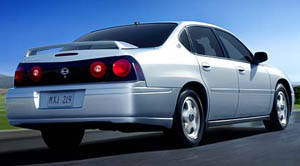
| 2005 Chevrolet Impala |
On a test-drive, inspect the functioning of all interior accessories, noting operation of the air conditioner, all windows and sunroof. Also, be sure the remote keyless entry system works properly-- as numerous owners report problems with the remotes over time.
Electrical problems tended to be somewhat common, and may show themselves as malfunctioning accessories or warning lights in the instrument cluster.
Note the condition of the brake system, checking for any pulsation or unwelcomed noises during stopping with light, moderate and hard brake application. Impala’s are known for brake components that can wear out and warp prematurely, so be sure the vehicle’s previous owner isn’t trying to pass a pricey brake job off to you.
There is a somewhat lengthy list of recalls dealing with the Impala, focused primarily on older models. These mainly affect airbags, brakes, fuel pressure regulators and seatbelts. Bring the VIN number to your local GM dealership to see what, if any, recall work is outstanding.
If you’re unsure of the shape of the vehicle’s suspension or driveline, or if you don’t know the service history, visit a mechanic for a used vehicle inspection. This could reveal an issue that may pop up down the line, thus potentially saving you money in the long run.
Find a clean, well-cared-for example of the Impala with the 3.8 litre engine, and you’ll probably find it a reliable, well priced and comfortable family cruiser that won’t break the bank.
photo:General Motors


Article Gallery