






Nissan plans to close its first plant it ever opened outside of Japan. The decision to shutter the Civac plant by March 2027 is part of a broad global restructuring plan, undertaken in the wake of Nissan's sales having fallen by nearly 40 percent since the pandemic. The COMPAS joint venture with Mercedes-Benz, which assembles luxury SUVs in Aguascalientes, Mexico, will also dissolve after production ends in early 2026.
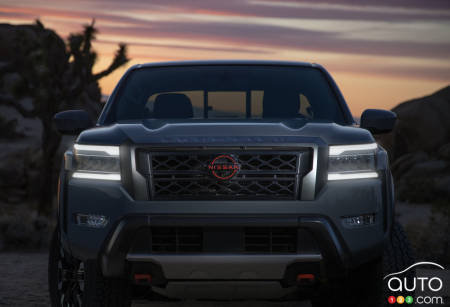
According to sources familiar with the matter, production of the Nissan Frontier and Navara, currently at Civac, will be transferred to Nissan's other two plants in Aguascalientes, located about 600 km northwest of Civac.
The end of an era at Civac
The Civac plant in Jiutepec, which opened in 1966, has played a central role in Nissan's international expansion. It has produced more than six million vehicles, including the Datsun Bluebird, and has exported a multitude of models since 1972. However, with an annual capacity of around 200,000 vehicles, the plant is currently operating at only a third of its potential. In 2024, Nissan plans to assemble only 57,000 vehicles there.
In March, the company announced it would end production of the Frontier in Argentina, consolidating pickup truck assembly at the Civac plant in the short term but reducing it to a single assembly line by the end of 2025.
What is the political impact and opportunity for China?
The closure is highly symbolic and politically sensitive because Mexico accounted for 20% of Nissan's North American sales last year. By withdrawing from Civac, Nissan is abandoning a skilled workforce and decades of investment.
However, all is not lost. Chinese manufacturers, such as BYD and SAIC, could view Civac as a gateway to North America. According to Sam Fiorani of AutoForecast Solutions, it would cost hundreds of millions rather than billions to take over an existing factory (brownfield) rather than build a new facility. A factory ready for production with experienced staff would be a godsend for an emerging player.
Tense commercial context
Nissan's decision is also influenced by the 25-percent tariffs imposed by the Trump administration on vehicles manufactured in Mexico. These tariffs have led Nissan to discontinue production of certain unprofitable versions of the Sentra and Kicks for the U.S. market. Nissan also plans to end production of the Versa in the U.S. in 2026, thereby freeing up capacity in Aguascalientes.
Overall, Nissan's production capacity will decrease from 3.6 million to 2.5 million vehicles by fiscal year 2027. Closures are also planned in Japan, India, Argentina, Thailand and South Africa.