Traction Assist, ESP, DSC, TCS, PSM... Have you ever been reading up on your next set of wheels and wondered what these abbreviations meant? Literature available at your dealership scarcely provides more information than to simply tell you these features "prevent wheel-spin" or "keep the car from skidding". But with modern cars showing off more self-defense moves than Jackie Chan, it is important to understand what these advanced stability control systems do, and don't do, to keep you safe. One sales rep told me "These systems are becoming something that consumers relate to just like airbags. Its just like any other safety feature on a vehicle". Stability control has a good chance of being part of your next vehicle- so let's have a look at what it's all about.
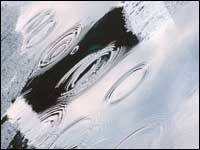
By your steering angle, throttle position, speed and a slew of other inputs, the system makes adjustments to keep the car going where you point it in even the worst conditions. If the car doesn't go exactly where you point it for instance (a skid), the system is alerted and intervenes. Pretend you've entered an off ramp too quickly and the road beneath you is snowy. The instant your vehicle begins to slide, the system applies brakes to only the wheels losing their grip with the precise duration and pressure needed to stop them from skidding, keeping the car in line
 |
instead of losing control. It may also shift into the next gear to prevent wheel-spin and take control of the throttle away from the driver until the situation is sorted out- a little bit of electronic ingenuity doing very big things to keep you safe. By applying only one or two brakes, the vehicles weight tends to shift toward that wheel, theoretically providing more grip and avoiding a loss of control. This can be helpful in an emergency maneuver- maybe you panic and steer so quickly that a loss of control seems inevitable. Stability Control may fine tune your inputs and adjust the car, metering your demands against the level of grip available to ensure control is maintained. Hundreds of adjustments can be made before the driver ever figures out anything was wrong. Stability Control generally activates itself when you start your car and can usually be turned off in case the driver wants to experience wheel-spin or slides through a corner, for instance if you lend the car to your teenaged son. Highly advanced stability control systems in high-end models incorporate all wheel drive systems, active suspension components and electronic differentials to offer a "race" function which the driver can select on a track setting- allowing the car to be driven very safely at its limit during high-speed cornering.
 |
Pre-programmed limits that cannot be exceeded are sometimes set, creating a system that doesn't just react to a loss of grip, but prevents it from happening at all. In a Mercedes E Class with one such system, I went quickly through a tight corner, and completely floored the accelerator. The car showed me an explanation mark on the instrument cluster (Mercedes' way of politely saying "YOU SIR, ARE INSANE!") and nothing else happened. The car knew that any more throttle wouldn't have been smart, and so it didn't allow me any. In some cars, you can't even turn the system off. I was out in a Chrysler 300C and pressed the "ESP OFF" button on the dashboard. Too much throttle while exiting a corner dips the tail out just a little bit, then the ESP kicks in and corrects the car, despite being switched off. Turning the system off doesn't de-activate it, but merely turns it down. It's a bit like driving with your mom. With the ESP engaged, you can't do anything amusing: your every move is being watched. With the ESP off, in this case anyhow, it's like she is still sitting right beside you but having a nap. You can get away with the tiniest little bit of fun, but anything more than a bit excessive will wake her up and put an end your tail-out, tire-smoking antics.